
Surcharging Is Banned in Australia: Could the US Be Next? (And What to Do Right Now)
Australia’s new card-surcharge ban is a real-world reminder for US business owners: payment rules can change, and a pricing plan built around one fee can leave you scrambling. The US has not banned credit-card surcharging. But the rules are complex, vary by card network and state, and may change again.
Here’s what Australian businesses are facing, what US merchants should know today, and how to protect your margins without relying on surcharging alone.
Australia has ended card surcharges, but payment costs remain
As of October 1, 2026, Australian businesses can no longer add a fee just because a customer pays by card. The change covers Visa, Mastercard, eftpos, and American Express transactions.
The Reserve Bank of Australia (RBA) said surcharging had become increasingly complex and was no longer working as intended. It also reduced interchange fee caps, aiming to lower some of the costs businesses pay to accept cards. The ban does not apply to unrelated charges such as weekend or public-holiday surcharges, booking fees, or service fees. Australian Government guidance and the RBA’s FAQ explain the changes.
The policy aims to save consumers about $1.6 billion a year, according to the RBA figures reported by ABC News. The RBA also estimates that lower interchange caps will save businesses $910 million a year. But savings on one part of payment costs do not make every fee disappear.
For a business that used card surcharges to cover acceptance costs, the immediate question is familiar: if you can’t charge the fee separately, where does that cost go?
Australian owners are weighing price increases against customer experience
ABC News business reporter Adelaide Miller spoke with business owners adjusting to the new rules. Their experiences offer a practical preview of the trade-offs US merchants may face if surcharge policies ever change here.
Salon owner Sheridan Shaw said she had to raise prices rather than absorb the costs. She also ruled out bank-transfer alternatives because of the work involved in reconciling payments and chasing failed transactions. The Australian Hairdressing Council’s CEO, Fiona Beamish, said customers expect not to see a card surcharge, but communicating price increases can be difficult for small businesses.
Restaurant owner Peter Papas also raised prices and worried that customers might stop visiting if meals become unaffordable. He pointed to a simple example: a coffee priced at $4.80 could become $5.00 after rounding. A seemingly small adjustment can feel different to a customer when it shows up across an entire menu.
The Australian Chamber of Commerce and Industry’s chief executive, Andrew McKellar, put the concern plainly: “There are no real winners in any of this because the costs will still be there.” ABC News reported on the changes and business owners’ responses on October 1, 2026.
The lesson isn’t that every business should raise prices or switch payment methods. It’s that payment costs affect your pricing, operations, and customer experience, and those decisions deserve a plan.
The US is different, for now
In the US, credit-card surcharging remains available in many places, but only under applicable state laws and card-network rules. It is not a universal permission to add a fee to every card transaction.
As a general guide, US merchants must treat credit differently from debit and prepaid: surcharges generally cannot be applied to debit or prepaid cards, even if a customer selects “credit” at the terminal. Network rules also require specific disclosures and advance notice to the payment provider. For Visa, the surcharge is generally capped at the lower of the merchant’s acceptance cost for the applicable card or 3%. Other card networks may use different rules and calculations. State restrictions can add another layer; some states prohibit or limit surcharging.
That means the details matter. A program that follows a network rule may still conflict with a state requirement. For current guidance, review Visa’s merchant surcharge Q&A and Mastercard’s surcharge rules, then confirm how they apply to your business and location with your payment provider. This is general information, not legal advice.
What about the Visa and Mastercard settlement?
A proposed US settlement could give merchants more flexibility around credit-card surcharging and which card categories they accept. But it has not received final court approval as of October 16, 2026. Visa’s June 2026 statement describes the court’s preliminary approval and confirms that final approval is still required.
So don’t change your pricing or configure your terminals based only on proposed settlement terms. If the settlement is approved, its final terms, effective dates, network rules, and state laws will all matter.
Build a margin plan that can handle rule changes
Surcharging may be one option for some US businesses today. It shouldn’t be your whole payment-cost strategy. A more resilient plan gives you several ways to understand and manage costs while keeping checkout clear for customers.
1. Know what you actually pay
Start with your processing statement. Calculate your effective rate by comparing total processing costs with total card sales for the same period. Look for the full picture, not just a headline rate, including transaction charges, monthly fees, equipment costs, and other line items.
If you’re unsure how to read your statement, ask your payment provider to walk through it with you. You can’t make a useful plan until you know what’s driving your costs.
2. Review your pricing and payment options
Consider whether your current prices still support your margins, and whether different payment arrangements fit the way your customers pay. Some businesses may consider dual pricing or cash-discount programs where appropriate. Those programs are not a shortcut around the rules: the price display and checkout experience must be clear, and the setup must comply with applicable laws and network requirements.
The right choice depends on your business, customers, location, and provider. Make sure you understand how the program appears on menus, estimates, invoices, online checkouts, and receipts before making a change.
3. Check your credit-card processing costs
Ask your payment provider to explain your rates and fees, and whether your current setup fits your business’s sales patterns. Comparing payment processing for small business is easier when you know what you’re paying for and what services you need.
A lower quoted rate is not automatically a better fit if it comes with confusing terms, unreliable equipment, or support that’s hard to reach. Look for transparent pricing, dependable service, and a system that works where you take payments: at the counter, on the go, or online.

4. Make checkout simple and transparent
Payment choices should be easy for customers to understand. Whether you accept cards, offer a discount for another payment method, or use a compliant surcharge program, make sure the price is clear before the customer pays.
Modern payment terminals and POS systems for small business can support a smoother checkout and fit different ways of selling. But a device is only part of the solution. Your setup also needs to match your pricing, payment provider, and business workflow.
How CardPlus helps you stay ready
CardPlus helps small businesses make payments seamless, transparent, and easier to manage. We can review your payment setup, explain your options, and help you choose hardware and payment-processing services that fit your business.
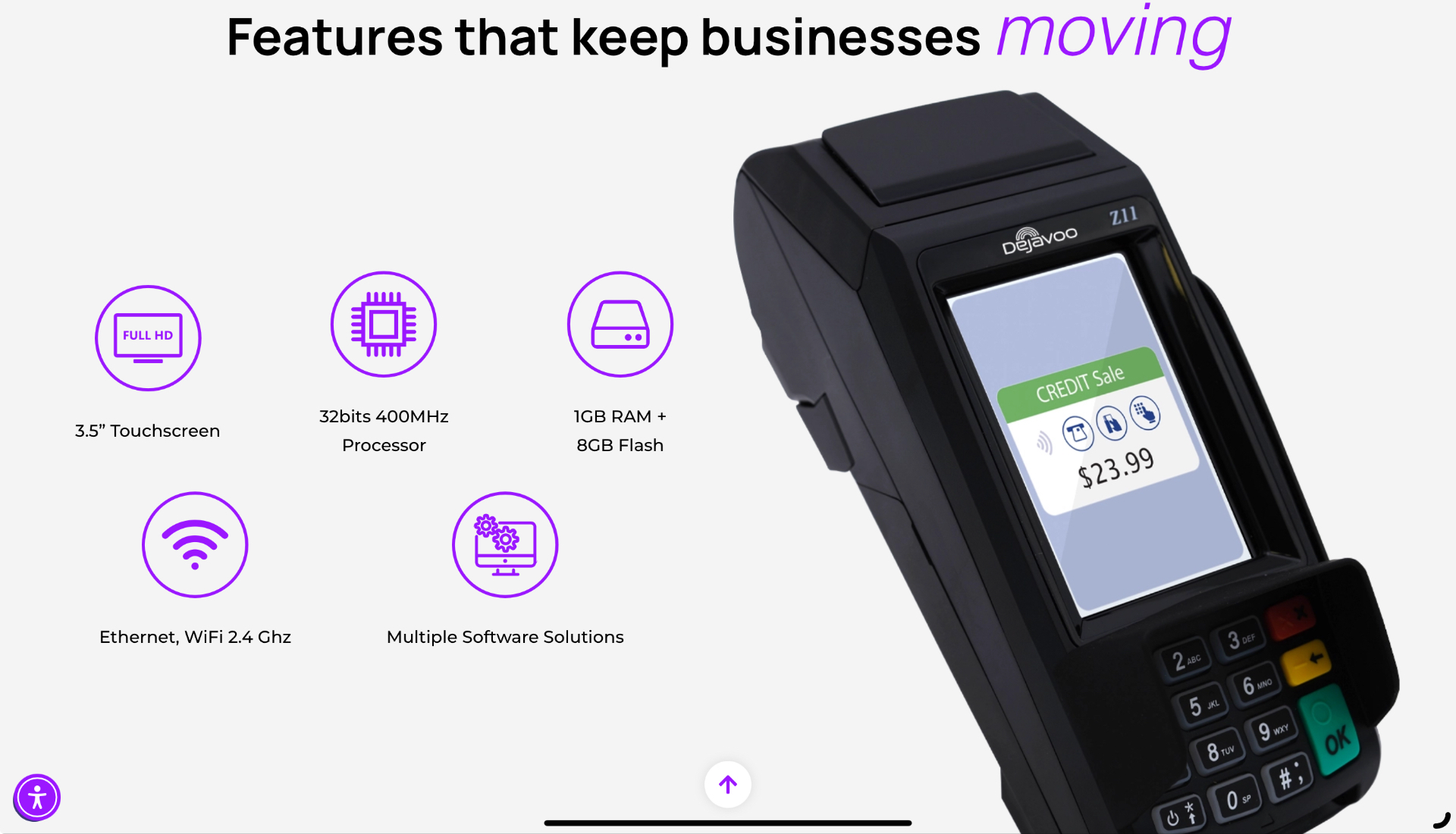
Our Dejavoo Z11, QD, and P Series terminals support modern checkout needs. Where appropriate, we can also help configure dual-pricing options and explain the steps to confirm a program with your payment provider and applicable rules. Our local team keeps up with payment changes so you’re not left sorting through them alone.
Explore our Dejavoo hardware and dual-pricing options, or contact CardPlus to talk through your setup.
Take three steps this week
Check your latest processing statement and identify your total fees and effective rate.
Review your pricing and checkout flow for places where costs or payment choices may be unclear.
Ask your payment provider which rules apply to your business and location before changing your program.
Australia’s policy change doesn’t mean the US will follow the same path. It does show why you should build a payment plan that can adapt. Understand your costs, keep customer pricing clear, and get guidance before changing how you accept payments.
Sources
Australian Government, “New card payment surcharge rules now apply”, October 1, 2026.
ABC News, Adelaide Miller, “Businesses finding workarounds to recoup surcharge fees banned by Reserve Bank”, October 1, 2026.
Reserve Bank of Australia, “Frequently Asked Questions – Removal of Card Payment Surcharges From 1 October 2026”.
Visa, U.S. Merchant Surcharge Q&A and statement on preliminary approval of the proposed settlement.
Mastercard, Merchant surcharge rules.
Comments