
California Just Made Cash Rounding Mandatory: What the Common Cents Act Means for Your Business by July 2027
California has set a statewide rule for cash transactions: starting July 1, 2027, covered businesses must round cash payments to the nearest five cents. Card and other electronic payments stay exact.
That means you have time to prepare, but the change is bigger than teaching your team how to round. Your point-of-sale (POS) system must handle cash payments, split tenders, refunds, receipts, and the order of tax and fee calculations correctly.
Here’s what the California Common Cents Act means for your business, and what you can do now to get ready.
What is the California Common Cents Act?
Governor Gavin Newsom signed Assembly Bill 1793, the California Common Cents Act, on September 30, 2026. The law takes effect on July 1, 2027, and applies to merchants selling goods or services at physical locations in California.
The law responds to penny shortages after the U.S. Mint stopped producing pennies in November 2025. Bloomberg Tax reported that California established a statewide standard as retailers adjust to the penny phaseout.
Assemblymember Chris Ward, who authored the bill, described the goal as a fair, transparent approach and a clear standard for businesses adapting their POS systems. As CC News reported, the law also prohibits overcharging customers through cash rounding and keeps taxes, fees, and surcharges from being changed by the rounding adjustment.

How California’s cash rounding works
The rounding is symmetrical. Some cash totals round down, and others round up. That helps ensure the rule does not always favor the business or the customer.
Final cents in the cash amount | Required rounding |
1¢, 2¢, 6¢, or 7¢ | Round down to the nearest 5¢ |
3¢, 4¢, 8¢, or 9¢ | Round up to the nearest 5¢ |
0¢ or 5¢ | No adjustment |
For example, a cash amount ending in 42 cents rounds down to 40 cents. An amount ending in 43 cents rounds up to 45 cents.
Card and electronic payments remain exact. A fully card-paid or electronic transaction is not rounded to the nearest nickel. For split tender, only the cash-paid portion is rounded; the noncash portion is not adjusted to match it. Cash refunds follow the same rounding method.
There is also an important calculation order: taxes, fees, and surcharges are calculated on their exact amounts before the rounding adjustment. The adjustment cannot change the amount authorized, cleared, or settled through a noncash payment system.
For the precise scope and wording, review the official text of AB 1793, Chapter 896.
Why this is a POS setup issue, not just a cashier issue
Cashiers need to understand what to tell customers. But they should not have to calculate the adjustment by hand or decide how to handle edge cases at the register.
A compliant setup can affect:
POS calculations: Cash totals need the correct rounding, while card totals remain exact.
Tax and fee math: The adjustment must not change the calculation of taxes, fees, or surcharges.
Receipts: Customers and staff need to see a clear record of the cash amount and adjustment.
Cash drawers and reporting: Your records should explain why the cash collected differs from the unrounded total.
Split payments: The cash portion and card portion need to be handled separately.
Refunds: Cash refunds need the same rounding method.
Cash discounts or dual pricing: The system’s discount or fee math and the cash rounding must be applied in the right order.
A wrong configuration could confuse customers, complicate reconciliation, or result in overcharging. The law connects overcollection to California’s existing overcharge remedies, so accuracy matters.
Your checklist for getting ready
July 2027 may feel distant, but it is worth asking questions before a deadline is close. Start with these steps:
Ask your POS or payment provider about support. Confirm whether your system will support California’s cash-rounding method before July 1, 2027. Ask how updates will be delivered and what your team needs to do.
Check receipts and calculations. Confirm that the cash adjustment is displayed clearly and that taxes, fees, and surcharges are calculated on exact amounts first.
Test split-tender transactions. Run a sample payment with part cash and part card. Confirm that only the cash portion is rounded and that the card amount stays exact.
Review cash refund workflows. Ask how the system applies the same rounding method when you refund a cash transaction.
Review cash discounts and dual pricing. If you use either, ask your provider to verify the order of operations. The rounding should be applied to the cash portion after the applicable discount or fee calculations, not used to change noncash amounts.
Keep a record of your provider’s answers and any test results. If you have multiple registers, locations, or payment workflows, confirm that each one is covered.
Keep card payments precise and checkout clear
The rounding requirement applies to cash. Card and electronic payments stay exact to the cent. So if more customers choose card or electronic payments, fewer transactions will need a cash adjustment, but any cash transactions you do accept still need to follow the rule.
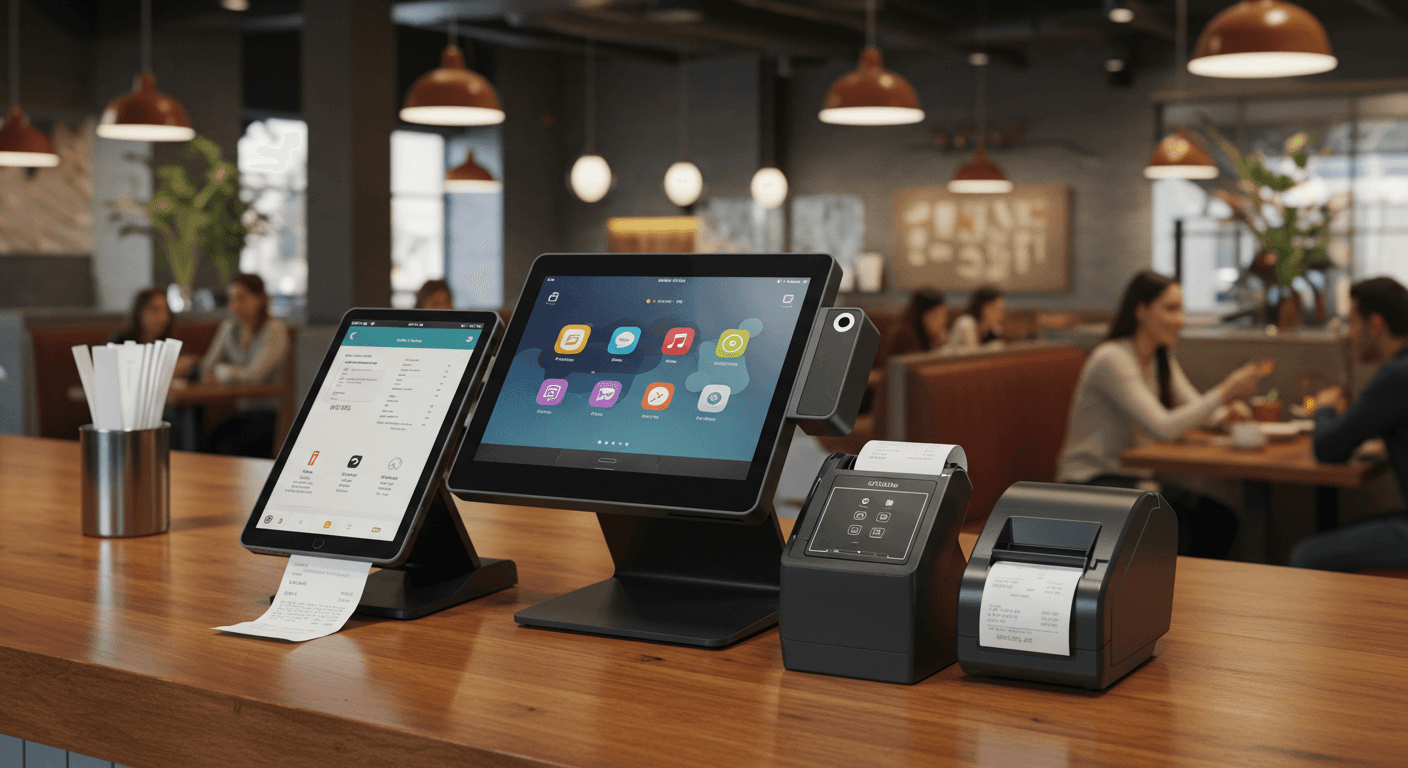
Modern payment terminals can help keep your checkout flow organized. CardPlus offers Dejavoo Z11, QD, and P Series terminals, and works with GOKUL for a comprehensive POS solution at super competitive pricing. Card payments remain exact; talk with your provider about how your complete POS setup will handle the cash-specific requirements.

If you already use a cash discount or dual-pricing program, take this opportunity to review how it is configured. CardPlus offers dual pricing and surcharging options, along with guidance on payment setup. The right configuration should make the price clear to customers and keep the cash and card calculations distinct.
Start preparing now, with the right support
The California Common Cents Act creates one clear statewide standard, but your day-to-day experience will depend on how your POS and payment processing are configured. You do not have to solve every detail today. Start by confirming what your system can do and identifying the workflows you need to test.
CardPlus helps small businesses choose modern payment terminals and POS systems for small business, with local expert support instead of an impersonal support line. If you are also reviewing payment costs, we can help you consider ways to save money on processing fees while keeping checkout clear for your customers.
Have questions about your payment setup?Contact CardPlus to talk through your terminals, POS workflow, and preparation for the July 2027 deadline.
This article is general information, not legal advice. Confirm requirements with the official bill text and your payment provider.
Sources
Comments