
Are Biometric Terminals Worth It? Debunking the Hype vs. Security Gains for Small Businesses
Walk into any payment processing trade show, and you'll hear the same pitch: "Biometric terminals are the future! Eliminate fraud! Boost security!" But here's the thing, as someone who's been in the payments game for years, I've seen plenty of "revolutionary" tech that turned out to be expensive paperweights.
So let's cut through the marketing noise. Are biometric payment terminals actually worth your hard-earned money, or are they just another shiny gadget that sounds impressive but doesn't move the needle for your business?
I'm going to give you the straight story, no sales pitch, no fancy jargon. Just real talk about what these systems can and can't do for small businesses like yours.
The Big Claims vs. Reality Check
Claim #1: "Biometric Systems Eliminate All Payment Fraud"
The Reality: They help, but they're not magic.
Biometric terminals primarily address point-of-sale fraud and employee theft, not the credit card fraud that keeps most business owners up at night. When someone uses a stolen credit card at your store, a fingerprint scanner won't stop that transaction. The card will still process normally.
What biometrics do stop is internal fraud. No more employees clocking in for their buddy who's running late, or unauthorized access to your POS system after hours. These systems use unique biological identifiers that can't be shared, stolen, or forgotten like PIN codes.
One retail client saw a 30% reduction in employee time theft after installing fingerprint scanners. That translated to real savings, about $5,000 annually for a store with 12 part-time employees.
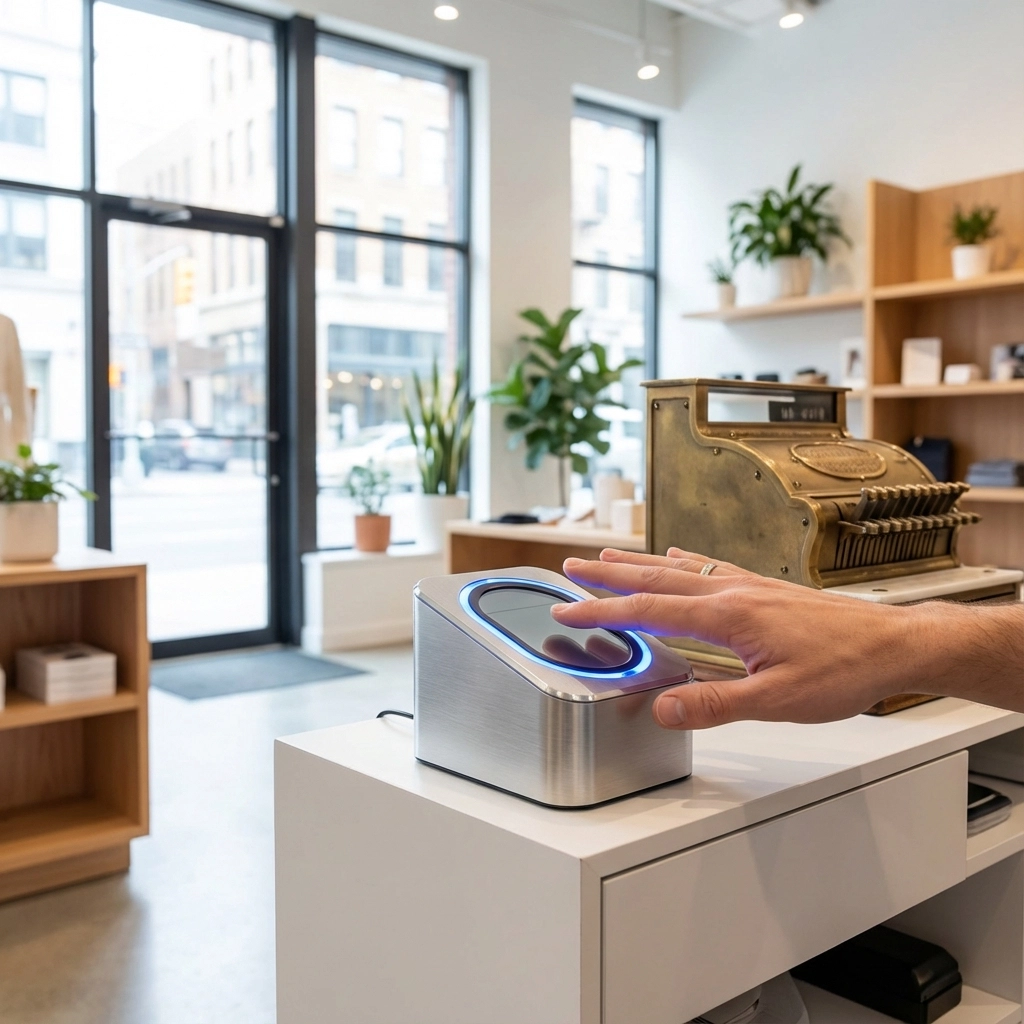
Claim #2: "They'll Pay for Themselves in Six Months"
The Reality: Sometimes yes, sometimes no, it depends on your specific situation.
The math works if you're dealing with significant time theft, payroll errors, or security breaches. A restaurant that was losing $2,000 monthly to buddy punching and extended breaks recovered their $3,500 system cost in under two months.
But if you're a small boutique with three trusted employees and minimal security issues? You might never see a meaningful ROI. The key is being honest about your actual pain points, not buying into theoretical scenarios.
Claim #3: "Installation and Setup Are Nightmarishly Complex"
The Reality: Modern systems are surprisingly straightforward.
Five years ago, this might have been true. Today's biometric terminals are designed to integrate with existing POS systems without major overhauls. Most installations take 2-4 hours, and employee enrollment is typically done in under a minute per person.
The real complexity isn't technical, it's change management. Your staff needs training, and you'll need clear policies about data collection and privacy. But the actual hardware setup? Much easier than the horror stories suggest.
When Biometric Terminals Actually Make Sense
You Have Multiple Employees and Locations
Biometric systems shine when you're managing larger teams or multiple locations. Traditional key cards get lost, PIN codes get shared, and managing access across different sites becomes a headache.
With biometrics, an employee enrolled at location A can seamlessly access location B without you having to issue new credentials or worry about security gaps during employee transfers.
Time Theft Is Eating Your Profits
If "buddy punching" (employees clocking in for absent coworkers) is a problem, biometrics deliver immediate value. The non-transferable nature of fingerprints or facial recognition makes this impossible.
A small manufacturing company reduced payroll discrepancies by 40% after implementing biometric time tracking. They were able to identify patterns of early clock-outs and late arrivals that were costing thousands in overpayments.

You Handle Sensitive Information
Healthcare clinics, legal offices, and financial services naturally benefit from biometric security. The audit trail and access control help with compliance requirements while genuinely improving security.
You're Planning to Scale
Here's where biometrics really pay off, scalability. Adding new employees to a biometric system costs almost nothing compared to traditional methods requiring physical keys, cards, or extensive IT setup.
The Downsides Nobody Talks About
Privacy Concerns Are Real
Some employees genuinely uncomfortable with biometric data collection, and depending on your state, you may need written consent. Illinois, Texas, and Washington have specific biometric privacy laws that could affect implementation.
You'll also need clear policies about data storage, retention, and what happens if an employee leaves. This isn't insurmountable, but it requires planning.
Environmental Limitations
Dirty, wet, or calloused fingers can cause problems with fingerprint scanners. Construction, automotive, and food service businesses sometimes struggle with consistency. Facial recognition systems work better in these environments but cost more.
Backup Plans Are Essential
What happens when the biometric scanner breaks down on a busy Saturday? You need backup authentication methods, which means maintaining parallel systems, adding complexity rather than eliminating it.
Real-World Cost Breakdown
A typical biometric terminal setup for a small business runs $2,000-$5,000 depending on features and integration requirements. Here's what you're actually buying:
Hardware costs: $500-$1,500 for the terminal itself Integration/setup: $500-$1,000 for professional installation Software licensing: $50-$200 monthly for cloud-based management Training and setup: $200-$500 in time and resources
Compare this to the costs you're trying to eliminate. If time theft costs you $200 monthly, you'll break even in about two years. If it's costing $800 monthly, you're profitable in six months.
The Bottom Line Truth
Biometric terminals work best as solutions to specific, measurable problems, not as general security upgrades. They excel at stopping time theft, preventing unauthorized access, and streamlining employee management for growing businesses.
They don't solve credit card fraud, eliminate all security risks, or automatically improve your bottom line just by existing.
Ask yourself these questions:
Are you losing money to employee time theft or unauthorized access?
Do you manage multiple employees across different shifts or locations?
Are password resets and access management consuming administrative time?
Do you handle sensitive data requiring strict access controls?
If you answered "yes" to multiple questions, biometric terminals probably make financial sense. If you're mostly interested in the "cool factor" or vague security improvements, save your money for marketing or inventory.
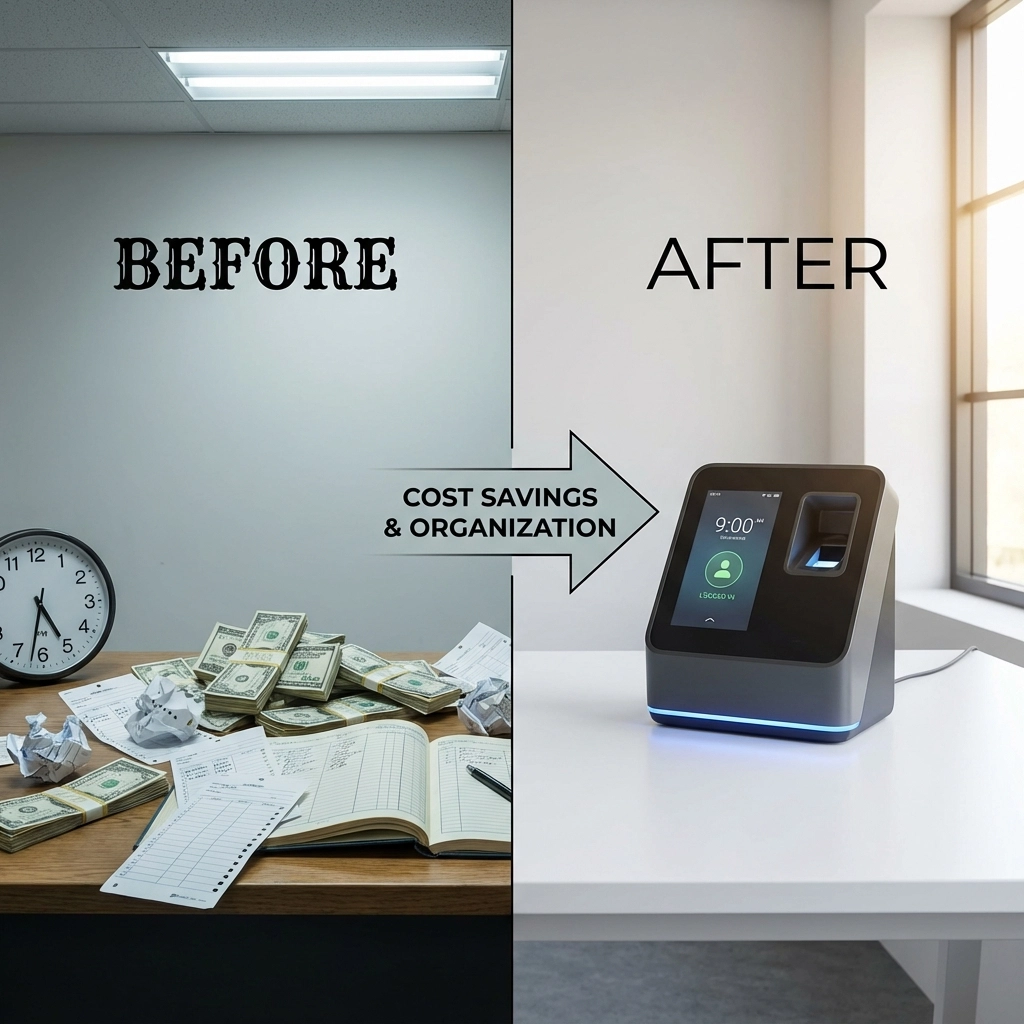
The payment processing industry loves to oversell new technology. But biometric terminals, when properly matched to actual business needs, deliver real value. Just make sure you're buying a solution to an actual problem, not buying into the hype.
At CardPlus, we help small businesses cut through the noise and find payment solutions that actually improve their bottom line. Whether that includes biometrics or not depends entirely on what your business actually needs.
Comments