
Beyond PINs: The Rise of Passkeys and Biometric Checkouts in the U.S. (And What It Means for Your Shop)
The checkout experience is changing faster than ever before. While your customers are still pulling out their cards and tapping PINs, payment giants Mastercard and Visa are quietly rolling out technologies that could make those familiar interactions feel as outdated as writing checks.
We're talking about passkeys and biometric checkouts: two game-changing authentication methods that are moving from tech demos to real-world deployment across the U.S. For small business owners using CardPlus payment systems, understanding these shifts isn't just about staying current. It's about preparing for a future where your customers expect faster, more secure, and completely frictionless transactions.
What Are Passkeys and How Do They Work?
Think of passkeys as the next evolution beyond PINs and passwords. Instead of customers memorizing a four-digit code or typing in a password, passkeys use cryptographic authentication that lives on their device: whether that's their smartphone, tablet, or even their smartwatch.
Here's how it works in practice: When a customer makes a purchase, instead of entering a PIN, they simply authenticate using whatever method they already use to unlock their phone. That could be Face ID, Touch ID, or even a device passcode. The transaction authenticates instantly without transmitting sensitive data that could be intercepted or stolen.
Mastercard and Visa have both announced major initiatives around passkey implementation. Mastercard's "Payment Passkeys" program launched in 2024, allowing cardholders to replace traditional card verification with device-based authentication. Visa's similar initiative focuses on eliminating passwords for online and in-store purchases through biometric verification tied to the customer's enrolled device.
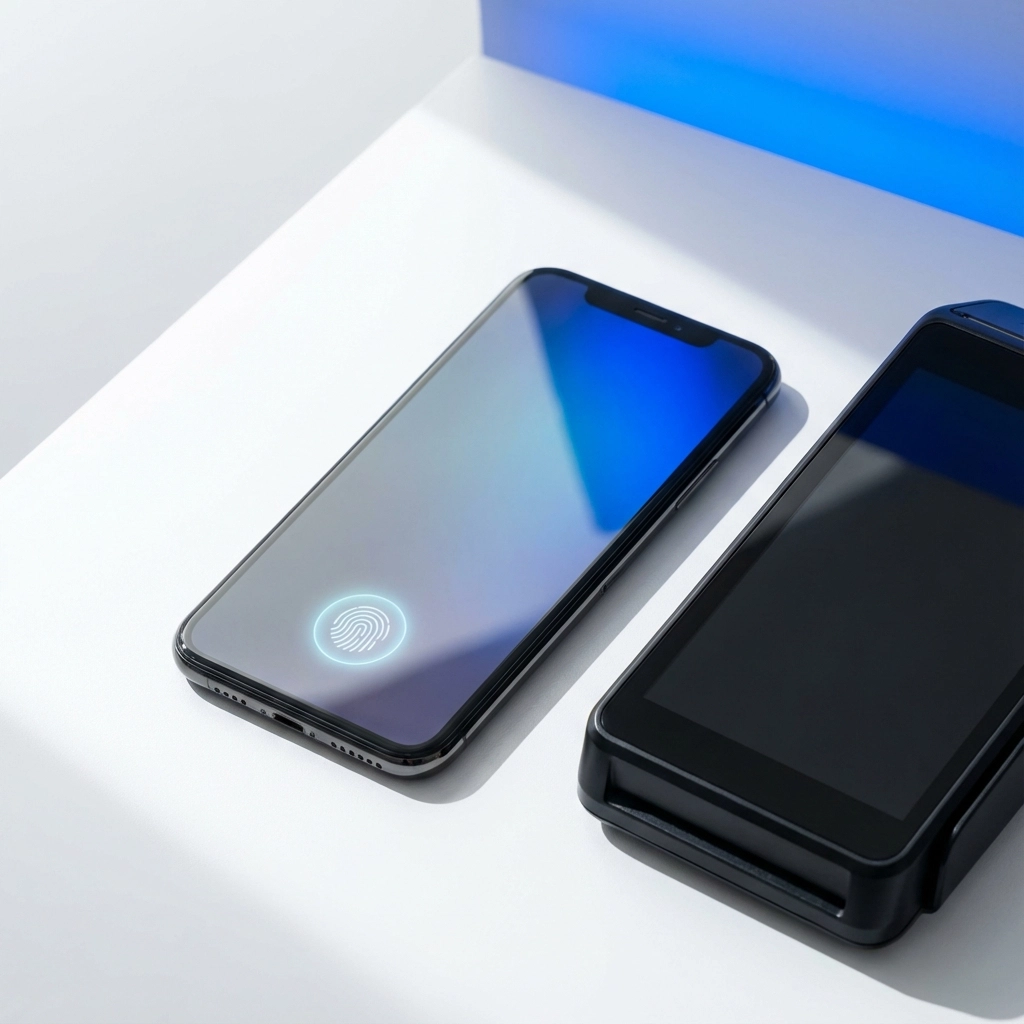
The beauty of passkeys for your business? They work with existing payment infrastructure. Your current CardPlus terminal can potentially support passkey transactions through software updates, without requiring completely new hardware investments.
Biometric Checkouts: Beyond Science Fiction
While passkeys handle authentication, biometric checkouts take the concept even further by eliminating cards entirely. Instead of swiping, inserting, or tapping a card, customers pay using their face, fingerprint, palm, or even their voice.
This isn't futuristic thinking: it's happening right now across the U.S. Amazon One lets shoppers pay with palm scans at Whole Foods and dozens of other retailers. J.P. Morgan Payments has partnered with PopID to deploy facial recognition systems at restaurants like Whataburger. These systems can process a complete transaction in under one second.
The technology uses several different authentication methods:
Facial Recognition: Cameras capture and verify the customer's face against their enrolled profile. The system works even with masks, glasses, or changes in lighting.
Fingerprint Scanning: Similar to smartphone authentication, but integrated directly into your point-of-sale system.
Palm Recognition: Customers scan their palm, which reads both surface patterns and vein structures underneath the skin for extremely secure authentication.
Voice Recognition: Less common in retail, but useful for phone orders or drive-through situations.
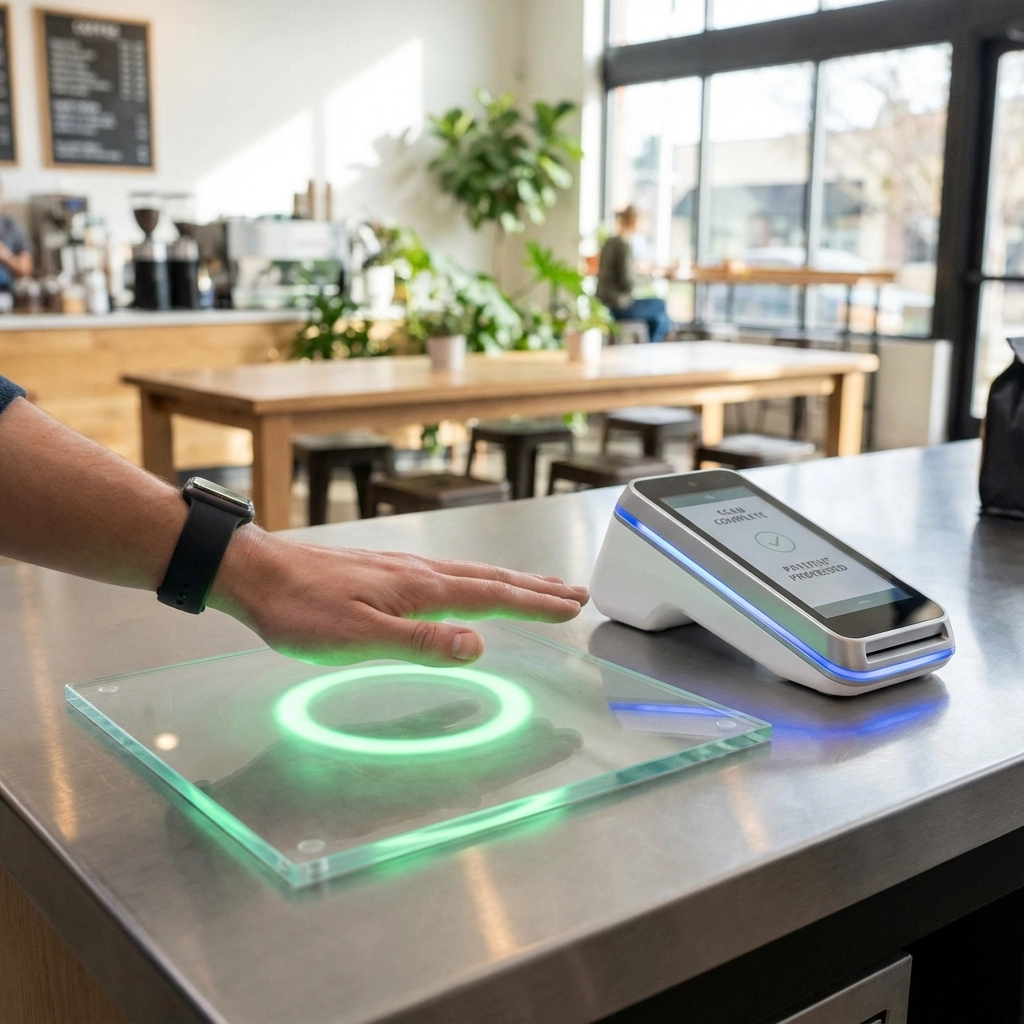
For CardPlus customers, the question isn't whether this technology will arrive: it's how quickly your business should adopt it to stay competitive.
The Real Benefits for Your Small Business
Let's cut through the tech hype and focus on what these payment innovations actually mean for your bottom line.
Faster Transactions Mean Higher Volume: When checkout times drop from 30-45 seconds to under 10 seconds, you can serve more customers during peak hours. Restaurants using biometric systems report reducing average transaction time by 60%. For a busy lunch rush, that translates directly to increased revenue.
Reduced Fraud and Chargebacks: Traditional card fraud relies on stolen numbers, skimmed data, or intercepted PINs. Biometric authentication and passkeys make these attack vectors virtually impossible. Your chargeback rates can drop significantly, which means more of your revenue stays in your pocket.
Improved Customer Experience: No more "I forgot my PIN" moments. No more customers digging through wallets or purses. No more declined transactions because a card's magnetic stripe is worn out. The checkout process becomes genuinely seamless.
Lower Operational Costs: Faster transactions mean you can handle the same volume with fewer staff hours. Some retailers report being able to redeploy cashiers to customer service or sales roles instead of just processing payments.
Privacy and Security: What Your Customers Need to Know
Your customers will have questions about biometric payments, and you need to be ready with answers. The most common concern? "Where does my biometric data go?"
The good news is that modern biometric payment systems don't actually store or transmit biometric data. Instead, they create encrypted mathematical representations (called templates) that can verify identity without storing actual fingerprints, facial images, or palm scans.
For example, when a customer enrolls in Amazon One, their palm characteristics are converted into a unique signature that's encrypted and stored securely. The actual palm image is deleted. Even if that encrypted data were somehow compromised, it couldn't be used to recreate the customer's palm or be used elsewhere.
This is crucial for building customer trust. Unlike credit card numbers that can be stolen and used fraudulently, biometric templates are mathematically impossible to reverse-engineer into usable biometric data.
Getting Your Business Ready: Practical Steps for CardPlus Customers
If you're wondering how to prepare your business for this shift, here's your practical roadmap:
Start with Customer Education: Begin talking to your regular customers about new payment options. Gauge their interest and address any concerns early. You'll find younger customers are particularly eager to try faster checkout methods.
Review Your Current Hardware: Contact your CardPlus representative to understand which of your current terminals can support biometric authentication through software updates. Many modern payment terminals are already equipped with the necessary processing power and connectivity.
Consider Your Customer Base: High-volume, quick-service businesses (coffee shops, quick-serve restaurants, convenience stores) see the biggest immediate benefits from biometric payments. If you're processing hundreds of small transactions daily, the time savings add up quickly.
Plan Your Rollout: Don't switch everything overnight. Consider offering biometric payments alongside traditional methods initially. This lets early adopters enjoy the benefits while maintaining comfort for customers who prefer familiar payment methods.
Industry Adoption: What the Numbers Tell Us
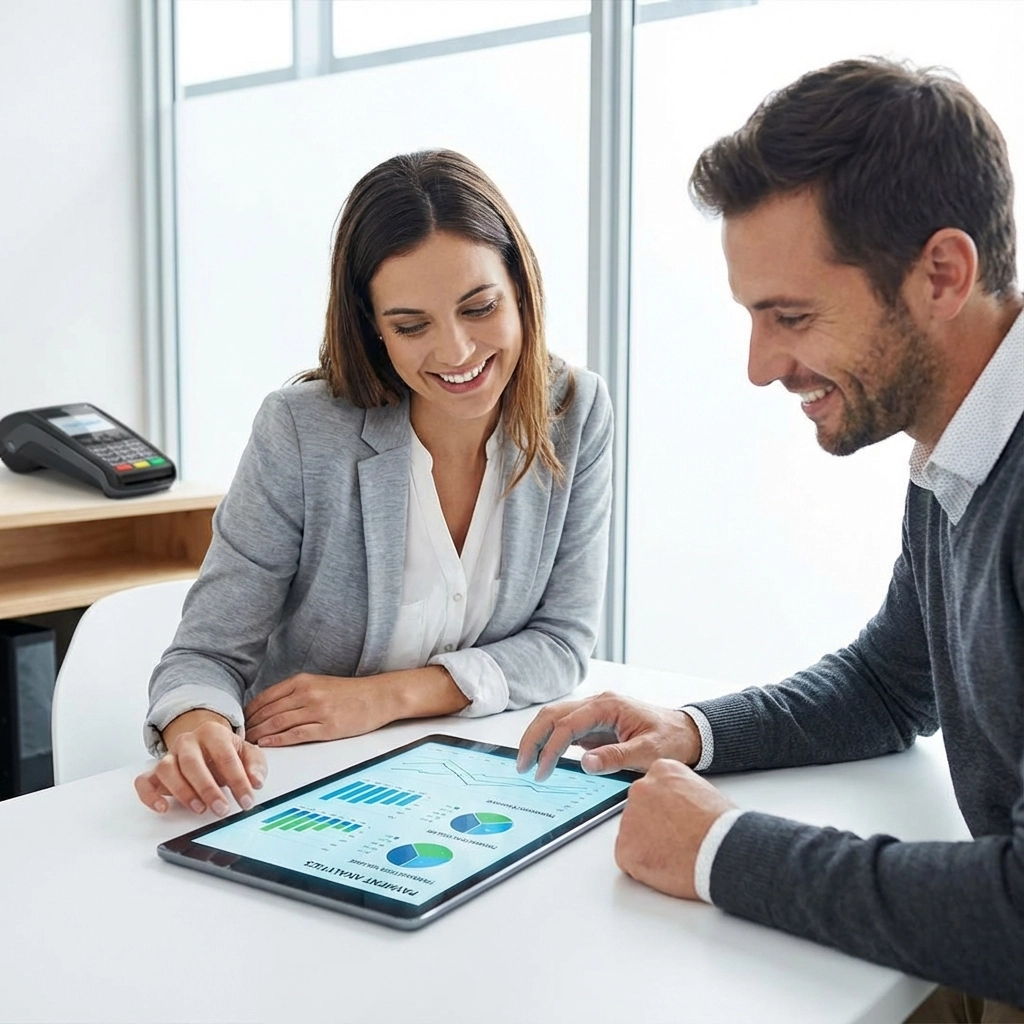
The payment industry is moving quickly on this front. According to industry research, biometric payment adoption is expected to grow by over 300% through 2026. Major retailers including Walmart, Target, and CVS are all testing various biometric payment systems in select locations.
Restaurant chains are leading adoption because of the clear operational benefits. Whataburger's executives specifically cited "faster, safer, and seamless checkout" as the driving factors behind their biometric payment rollout. Quick-service restaurants see immediate ROI through reduced labor costs and increased transaction volume.
The Formula 1 Crypto.com Miami Grand Prix successfully processed 100% of transactions using biometric authentication in their 2023 pilot program, proving the technology works reliably even in high-volume, high-pressure environments.
Looking Ahead: What to Expect in 2025 and Beyond
Payment authentication is moving toward a future where the checkout process becomes invisible. Customers will walk into your store, pick up what they need, and leave: with payment happening automatically through a combination of biometric authentication and location-based verification.
Amazon Go stores already offer this experience in limited locations. But the technology is advancing rapidly toward broader deployment. Visa and Mastercard's investments in passkey technology are laying the groundwork for seamless authentication that works across all merchants, not just tech giants with custom systems.
For CardPlus customers, this means staying informed about new capabilities as they become available. The payment processing landscape is evolving quickly, but the good news is that most innovations build on existing infrastructure rather than requiring complete overhauls.
Making the Right Choice for Your Business
The shift toward biometric payments and passkeys isn't a matter of if: it's a matter of when. Early adopters gain competitive advantages through faster service and enhanced customer experience. But rushing into new technology without understanding your specific needs can lead to costly mistakes.
Your CardPlus team can help you evaluate which emerging payment technologies make sense for your business model, customer base, and growth plans. The goal isn't to chase every new trend, but to strategically adopt innovations that genuinely improve your operations and customer satisfaction.
As payment authentication continues evolving beyond traditional PINs and passwords, staying informed and prepared will keep your business competitive in an increasingly digital marketplace.
Comments