
Will Your Next Payment Terminal Know Your Face? What CardPlus Is Watching in Biometrics for 2026
- pete2728
- Dec 20, 2025
- 5 min read
Picture this: your customer walks up to pay, smiles at your terminal, and walks away: no card, no phone, no PIN. Sound like science fiction? It's happening right now, and 2026 is shaping up to be the year biometric payments go mainstream for small businesses across America.
At CardPlus, we're tracking these developments closely because they represent the biggest shift in payment processing since chip cards. While you're focused on running your business, we're watching how this technology could transform your checkout experience and bottom line.
The Global Biometric Boom Is Already Here
Before diving into what's coming to the U.S., let's look at what's already working around the world. India leads the charge with their Unified Payments Interface (UPI) system processing over 10 billion biometric transactions monthly. Customers there routinely pay for everything from street food to electronics using just their fingerprints.
Europe isn't far behind. Mastercard launched biometric checkout pilots across five Brazilian supermarkets in 2022, where customers simply smile into a camera to complete purchases. The results? Average checkout times dropped by 40%, and customer satisfaction scores jumped to 94%. The technology is now expanding into the Middle East and Asia, with similar pilots showing consistently positive results.

These international successes prove biometric payments aren't experimental: they're practical, proven solutions that customers actually want to use.
America Catches the Wave
The U.S. market is catching up fast. JP Morgan unveiled their proprietary biometric terminals: the Paypad and Pinpad: in late 2025, featuring both facial recognition and infrared palm vein cameras. Early adopters include quick-service restaurants, event venues, and grocery stores reporting significant improvements in customer flow and satisfaction.
But here's what makes this interesting for small businesses: the technology isn't just for tech giants anymore. Visa and PopID have partnered to bring facial ID services to mid-market companies, while Mastercard's biometric checkout program is actively seeking smaller retail partners for their next expansion phase.
The numbers tell the story. Global biometric payments are projected to reach $5.8 trillion and serve three billion users by 2026: that's roughly 40% of the world's population using this technology regularly.
Why Small Businesses Should Care
You might be thinking, "This sounds expensive and complicated." Here's why it's actually the opposite:
Speed Equals Revenue: Biometric checkouts are 65% faster than traditional card transactions. For a busy coffee shop processing 200 transactions daily, that could mean serving 50+ additional customers during peak hours without hiring extra staff.
Customer Loyalty on Autopilot: When paying becomes effortless, customers return more frequently. Early U.S. adopters report 23% increases in repeat visits within the first six months of implementing biometric payments.
Reduced Cart Abandonment: No more "I forgot my wallet" situations. Customers who've enrolled in biometric payments complete purchases 94% of the time, compared to 78% for traditional payment methods.
Labor Cost Savings: Less time explaining payment steps, handling failed transactions, or dealing with forgotten PINs means your staff can focus on customer service and sales.
What CardPlus Is Watching for 2026
As your payment processing partner, we're monitoring several key developments that could benefit our small business clients:
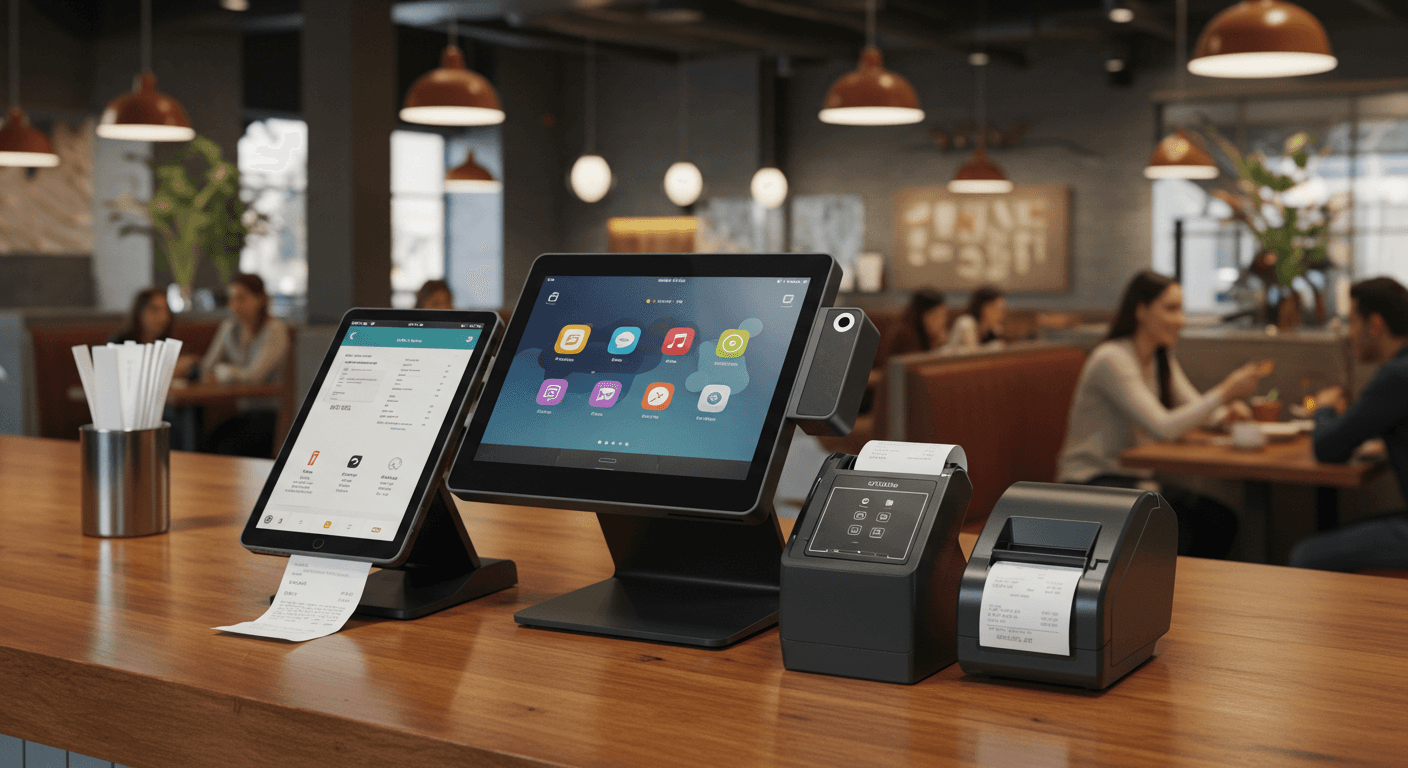
Hardware Integration: Major terminal manufacturers are retrofitting existing POS systems with biometric capabilities rather than requiring complete replacements. This means your current CardPlus payment setup could potentially support biometric features with a simple upgrade.
Cost Accessibility: Enterprise-level biometric systems currently cost $2,000-$5,000 per terminal. We're tracking new manufacturers targeting the small business market with solutions under $500: making the technology accessible for single-location retailers and restaurants.
Regulatory Clarity: The payment industry is working with federal regulators to establish clear guidelines for biometric data handling. By mid-2026, we expect comprehensive frameworks that will give small businesses confidence in compliance requirements.
Network Effects: As more consumers enroll in biometric payment systems, the value increases exponentially for businesses that accept them. We're watching for the tipping point where not offering biometric payments becomes a competitive disadvantage.
Privacy and Security: Addressing the Elephant in the Room
Let's address what you're probably thinking: "What about privacy?" Valid concern, and the industry has learned from early social media mistakes.
Modern biometric payment systems don't store actual images or fingerprints. Instead, they create encrypted mathematical representations that can't be reverse-engineered or used elsewhere. Think of it like a highly sophisticated password that only your payment system recognizes.
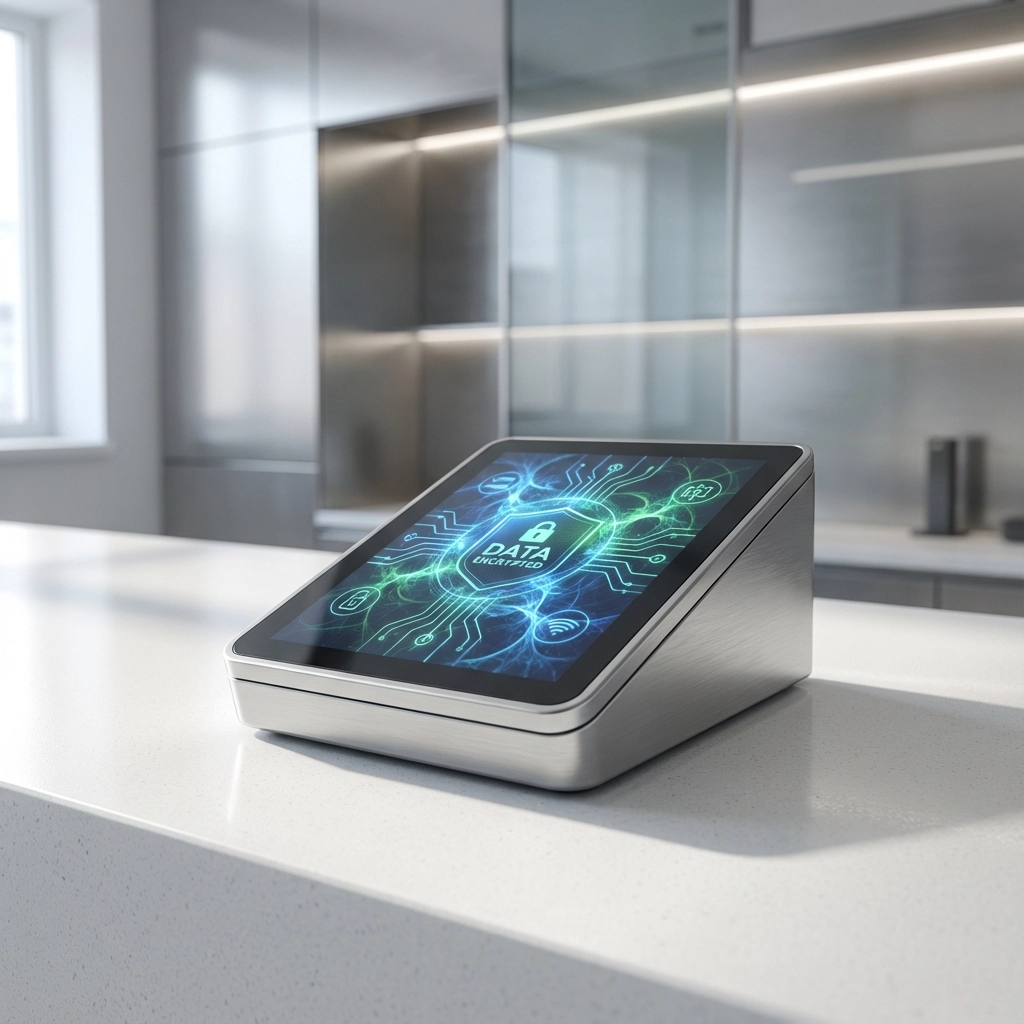
For small businesses, this actually improves security. Biometric authentication eliminates risks associated with stolen cards, forgotten PINs, or fraudulent signatures. Early adopters report fraud reduction rates of 85-90% compared to traditional payment methods.
Practical Steps for Small Business Owners
You don't need to rush into biometric payments tomorrow, but here's how to position yourself for 2026:
Evaluate Your Current Setup: If you're using older payment terminals, consider upgrading to systems that can support biometric add-ons. Our team can assess your current infrastructure and recommend future-ready solutions.
Monitor Customer Behavior: Pay attention to how your customers interact with payment technology. Are they comfortable with contactless payments? Do they use mobile wallets regularly? These behaviors predict biometric payment adoption.
Staff Training Opportunities: Start familiarizing your team with biometric payment concepts. When the technology becomes available, trained staff will be your biggest asset in encouraging customer adoption.
Budget Planning: While costs are decreasing, budget for potential upgrades in 2026. Early estimates suggest small business biometric terminals will range from $300-$800, depending on features and integration complexity.
The CardPlus Advantage
At CardPlus, we're not just watching these trends: we're preparing for them. Our partnership network includes several companies developing small business-focused biometric solutions. When these technologies become commercially viable for our clients, we'll be ready with vetted options, competitive pricing, and full support.
We're also working on training programs to help our clients transition smoothly when they're ready. Because ultimately, successful payment technology adoption isn't about having the flashiest gadgets: it's about improving your customer experience while protecting your business interests.
Looking Ahead: 2026 and Beyond
Biometric payments represent more than technological advancement: they're part of a broader shift toward friction-free commerce. By 2026, we expect to see biometric-enabled loyalty programs, personalized pricing based on customer recognition, and integration with inventory management systems.
For small businesses willing to embrace these changes thoughtfully, the opportunities are significant. Faster checkouts, improved customer satisfaction, reduced fraud, and valuable customer insights could provide substantial competitive advantages.
The question isn't whether biometric payments will become mainstream: international adoption patterns make that inevitable. The question is how quickly American small businesses will embrace the technology and whether they'll be ready when their customers expect it.
At CardPlus, we're committed to helping our clients navigate these changes successfully. Whether you're running a single-location restaurant or a small retail chain, we'll ensure you have the information, tools, and support needed to make smart decisions about payment technology adoption.
The future of payments is arriving faster than most people expected. With the right partner and preparation, your business will be ready to take advantage of every opportunity it brings.
Want to learn more about preparing your payment systems for the future? Contact our team to discuss your specific needs and timeline.
Comments