
Stop Wasting Money on Processing Fees: Try These 5 Proven Strategies That Work in 2025
If you're like most small business owners, you're probably paying way more in processing fees than you need to. Those little percentages add up fast – and before you know it, you're handing over thousands of dollars a year that could stay in your pocket.
The good news? You don't have to accept sky-high processing costs as just "the cost of doing business." There are proven strategies that can slash your fees significantly, and they're easier to implement than you might think.
Let's dive into five strategies that are working for smart business owners right now in 2025.
Strategy 1: Ditch Flat-Rate Pricing for Interchange-Plus
Here's the thing about flat-rate pricing – it's simple, but it's costing you money. Those "easy" 2.9% + 30¢ rates might seem straightforward, but they're hiding the real costs and usually inflating them too.
Interchange-plus pricing is where the magic happens. This model separates the non-negotiable interchange fees (what Visa and Mastercard actually charge) from your processor's markup. You get to see exactly what you're paying and where every penny goes.
Why does this matter for your bottom line? Because interchange-plus is almost always cheaper for businesses processing more than $10,000 monthly. Some merchants save up to 40% when they make the switch. That's real money back in your business.
The transparency alone is worth it. Instead of guessing whether you're getting a fair deal, you can see your processor's markup clearly laid out. This makes it much easier to negotiate better terms or shop around if needed.

Strategy 2: Negotiate Like Your Profit Margins Depend on It (Because They Do)
Here's a secret many business owners don't know: processing fees are negotiable. Seriously. That rate your processor quoted you? It's not set in stone.
Start by calculating your effective rate – that's your total fees divided by your total processing volume. This gives you a baseline to work from. Then get quotes from at least three different processors. You'll be amazed at how much rates can vary.
When you're ready to negotiate, timing is everything. The best time is when your contract is up for renewal, but don't wait if you're currently overpaying. Schedule these conversations at least once a year.
Come prepared with your transaction data, competitor quotes, and a clear understanding of what you need. Be ready to walk away if they won't budge – sometimes that's exactly what it takes to get their best offer.
The businesses that negotiate regularly see the biggest savings. We're talking about improved profit margins that can make a real difference in your growth plans.
Strategy 3: Steer Customers Toward Lower-Cost Payment Methods
Not all transactions are created equal. The way your customers pay directly impacts what you pay in fees. Smart business owners guide their customers toward the most cost-effective options.
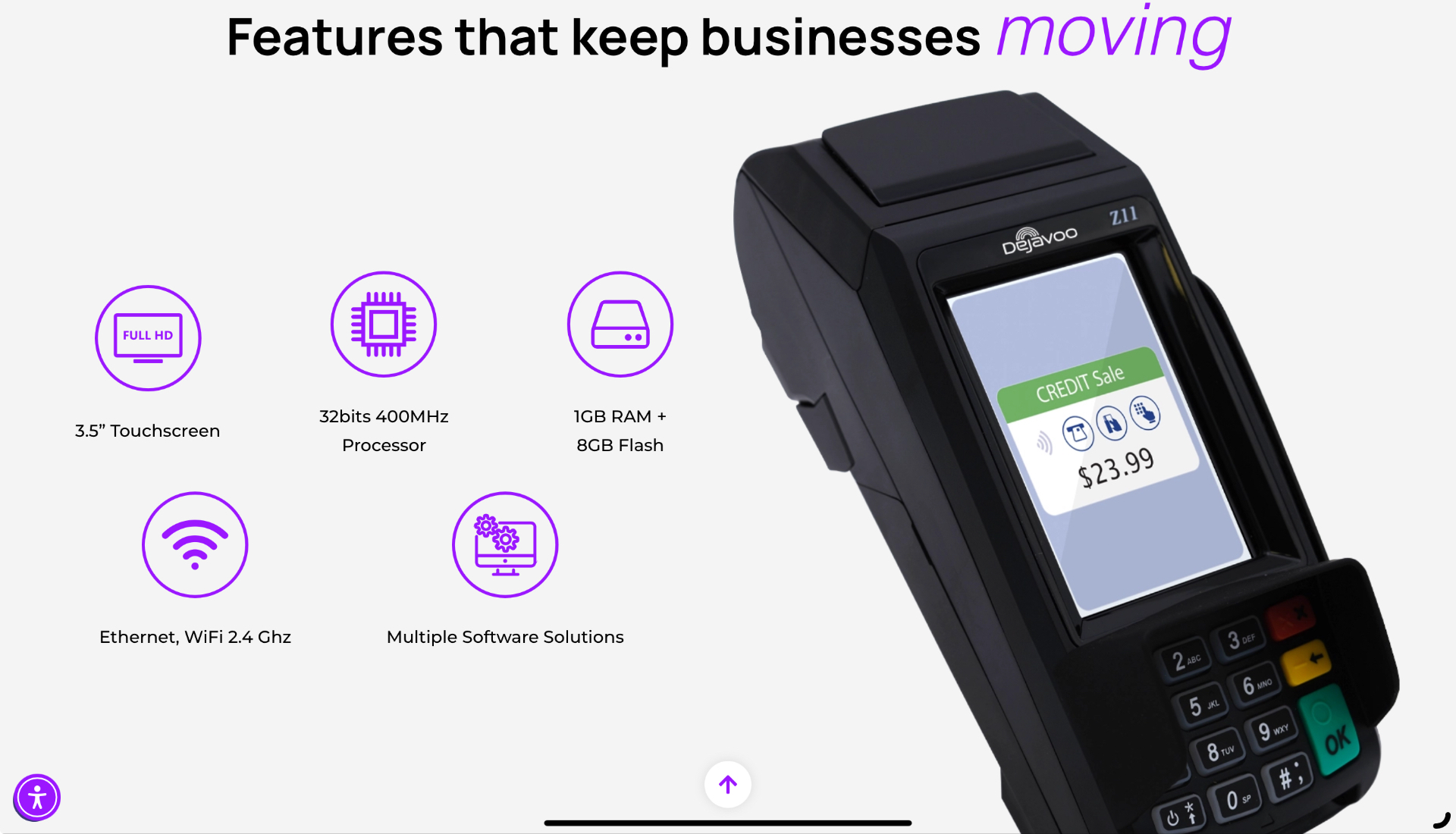
In-person, card-present transactions are your best friend. When customers swipe, dip, or tap their cards, you pay significantly less than when you manually key in card numbers. Make sure your staff knows to encourage card-present payments whenever possible.
ACH payments (direct bank transfers) are another goldmine. They don't carry interchange fees and often cost just a fraction of credit card transactions. If you're dealing with larger purchases or repeat customers, promoting ACH can save you serious money.
Debit cards generally have lower interchange fees than credit cards. While you can't control what customers choose, you can set up your system to prompt for debit when possible.
Digital wallets and mobile payments are also competitive options. Apple Pay, Google Pay, and similar services often have rates that make them attractive for smaller transactions.
Strategy 4: Implement a Cash Discount Program
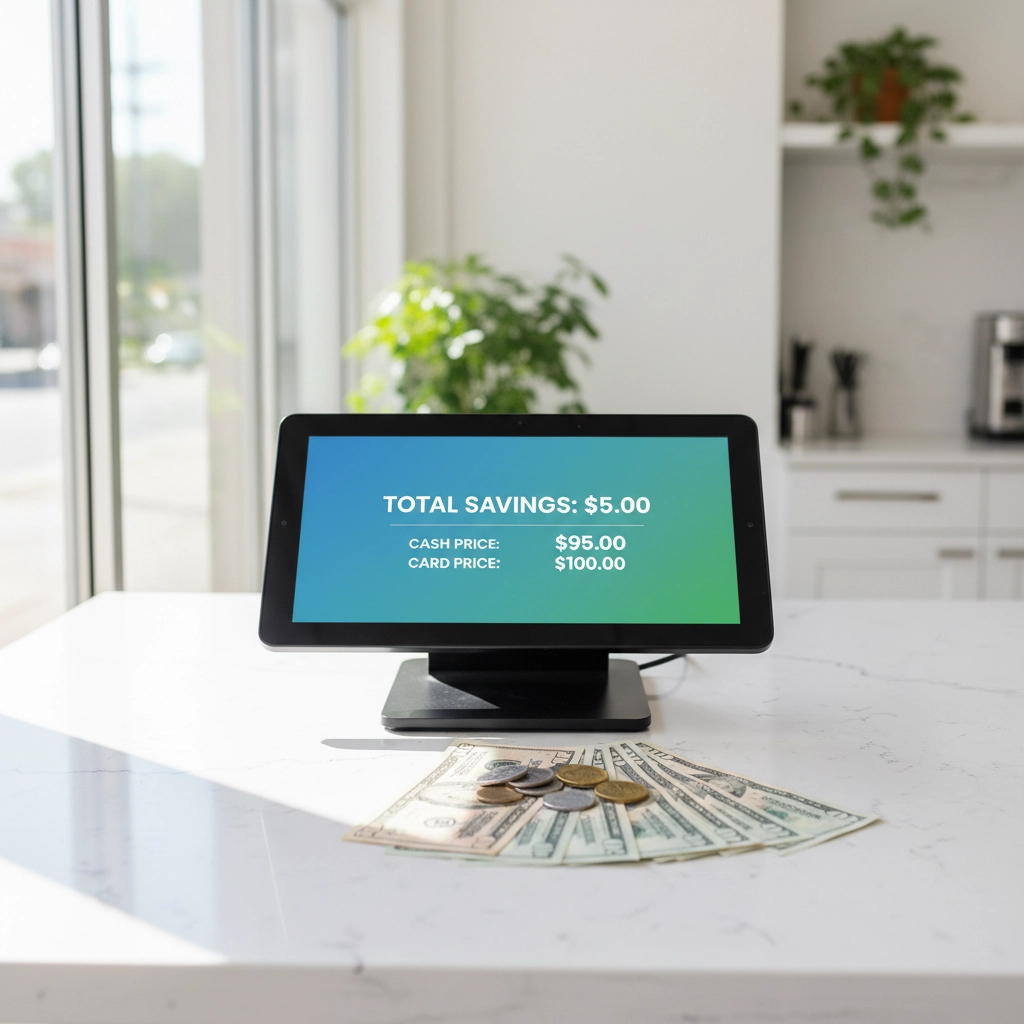
This strategy is a game-changer, and yes, it's completely legal. Cash discount programs let you shift processing costs to customers who choose to pay with credit cards while rewarding those who pay with cash.
Here's how it works: You set your posted prices to include a service fee that covers your processing costs. When customers pay with cash or lower-cost methods like debit, they get an immediate discount. When they use credit cards, they pay the posted price.
Your POS system handles all the calculations automatically, and the discount shows clearly on receipts. Customers appreciate the transparency and the choice. Many businesses see their cash payments increase, which directly reduces their overall processing costs.
The key is making sure everything is compliant and clearly communicated. Work with a provider like CardPlus who understands dual pricing to set this up correctly from the start.
Strategy 5: Settle Daily and Minimize Chargebacks
This might sound technical, but it's actually simple and can save you hundreds of dollars monthly. Settling your credit card transactions every 24 hours lowers your risk profile, which directly translates to lower fees.
When you don't close your batches daily, transactions can "downgrade" to higher-cost categories. Many processors charge extra fees for transactions not settled within 24 hours. Set up automatic daily settlement and watch those unnecessary charges disappear.
Chargebacks are profit killers – not just because you lose the sale, but because they can increase your processing rates across the board. Here's how to minimize them:
Use address verification services (AVS) for online transactions
Require security codes and billing zip codes
Use clear billing descriptors so customers recognize charges
Ship products quickly with tracking information
Respond promptly to customer disputes before they become chargebacks
The fewer chargebacks you have, the better your rates will be. It's that simple.
Bonus Tips That Add Up to Big Savings
Review your statements monthly. Those processing statements aren't just paperwork – they're treasure maps showing you exactly where your money is going. Look for fee increases, unusual charges, or patterns you can optimize.
Check your Merchant Category Code (MCC). Make sure it accurately reflects your business type. The wrong MCC can result in higher interchange rates for no good reason.
Consolidate your payment processing. If you're using different providers for online and in-store payments, you might be missing out on volume discounts. Bringing everything under one roof often unlocks better rates.
The Bottom Line
Processing fees don't have to be the profit drain they are for so many businesses. These five strategies – switching to interchange-plus pricing, negotiating regularly, optimizing payment methods, implementing cash discounts, and settling daily – can significantly reduce your costs.
The best part? You don't need to implement all five at once. Start with one or two that make the most sense for your business, then build from there. Every percentage point you save goes straight to your bottom line.
Remember, your payment processor works for you, not the other way around. Don't settle for rates that eat into your hard-earned profits when better options are available.
Ready to stop wasting money on processing fees? Contact CardPlus to see how much you could be saving with the right strategy for your business.
Comments