
Retail Sales Flatline in December: What Small Businesses Need to Know for 2026
If you were hoping December would bring a strong finish to 2025, the numbers tell a different story. U.S. retail sales flatlined at $735 billion in December, coming in at a flat 0% growth month-over-month. Economists were expecting a 0.4% bump, so this miss has a lot of people wondering what it means for the year ahead.
Before you panic, let's put this in perspective. The year as a whole wasn't bad: retail sales grew 3.7% in 2025 compared to 2024. But that December fizzle? It's a signal that the consumer economy might be more fragile than we thought heading into 2026.
For small business owners, this isn't just an interesting headline. It's a wake-up call about making every sale count.
The December Slowdown: What Actually Happened
Here's the breakdown: November saw a decent rebound with sales up 0.6%, giving everyone hope that the holiday season would end strong. But December just didn't deliver that momentum.
When you dig deeper into the numbers, things get even more interesting. Retail sales excluding autos and gasoline? Also flat. The core metric economists use for GDP calculations: sales excluding food services, autos, building materials, and gasoline: actually declined 0.1%. That's the first drop in three months.
Year-over-year, December 2025 still showed 2.4% growth compared to December 2024, so we're not talking doom and gloom. But the deceleration is real, and it matters for how you think about your business strategy in 2026.
Not All Retail Is Created Equal
Here's where it gets really useful for small business owners: different sectors told completely different stories in December.
E-commerce continued crushing it. Nonstore retailers (that's mostly online sales) grew 5.3% year-over-year. Food service and drinking places increased 4.7%. If you run a restaurant or have a strong online presence, you were probably feeling pretty good.
Building materials and garden equipment stores showed 1.2% growth. Sporting goods, hobby, music, and book stores gained 0.4%. Not bad, but not spectacular either.
The strugglers? General merchandise and electronics stores were flat. Furniture sales actually declined 0.1%. If you're in these categories, you probably felt the squeeze.

What This Means for Your Small Business
When the overall economy slows down, every transaction matters more. You can't afford to lose sales because your payment system is clunky, slow, or doesn't accept the payment methods your customers prefer.
Think about it: if consumer spending is fragile, shoppers are being more selective about where they spend their money. They want convenience. They want speed. They want options. If your checkout experience creates friction, they'll go somewhere else.
This is exactly why having a modern, efficient payment processing system isn't just nice to have: it's essential for survival when margins get tight.
The Payment Processing Advantage
Here's something a lot of small business owners don't think about: your payment system can actually help you capture sales you might otherwise miss.
Speed matters. Long checkout times lead to abandoned carts in-store and online. A fast, reliable payment terminal keeps lines moving and customers happy.
Flexibility wins. Can you accept contactless payments? Mobile wallets? Traditional cards? The more payment methods you accept, the fewer sales you lose because someone "doesn't have the right card."
Uptime is everything. When your payment system goes down, you're literally turning away money. A reliable processing partner means fewer headaches and more revenue.
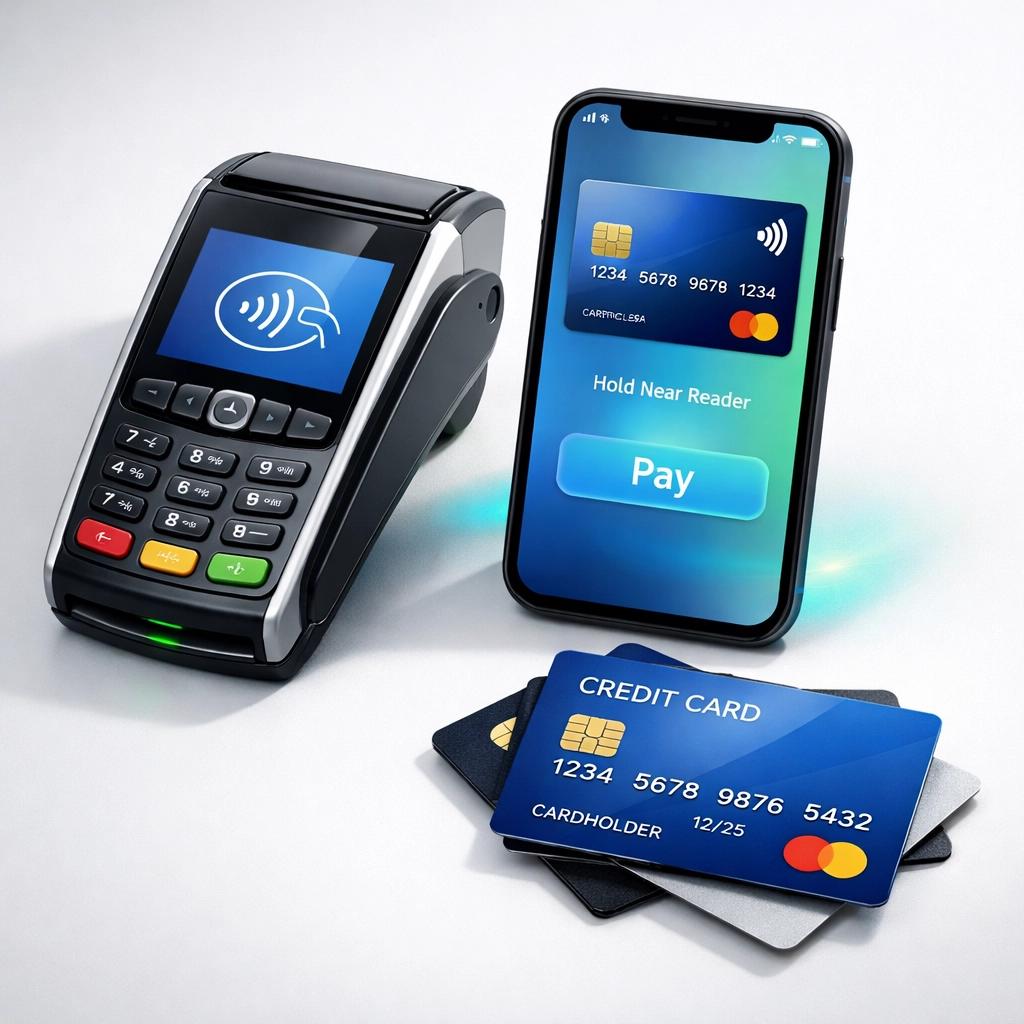
In a slower economy, these details become competitive advantages. You're not just processing payments: you're removing barriers between your customers and their purchase decisions.
Making Your Money Work Harder
With sales growth slowing, it's time to look at where you might be leaving money on the table. Processing fees are an obvious place to start.
If you haven't reviewed your payment processing rates recently, you might be paying more than you need to. Solutions like dual pricing and surcharging can help offset processing costs without eating into your margins. Every dollar you save on fees is a dollar that stays in your business.
The same goes for your hardware and software. Are you using outdated equipment that slows down transactions? Is your POS system integrated with your payment processing, or are you manually reconciling at the end of the day?
Time is money, and in 2026, efficiency matters more than ever.
Looking Ahead: Preparing for an Uncertain 2026
Nobody has a crystal ball, but the December numbers suggest we should prepare for a more cautious consumer environment in 2026. That doesn't mean doom and gloom: it means being smart about your operations.
Focus on customer experience. Make it easy for people to buy from you. Invest in systems that reduce friction and increase satisfaction. In uncertain times, the businesses that win are the ones that make life easier for their customers.
Review your costs regularly. Your payment processing might not be the biggest line item in your budget, but it's one you can control. Make sure you're getting competitive rates and the service level you deserve.
Stay flexible. The sectors that grew in December: e-commerce, food service: are the ones that adapted to how people want to shop and spend. If your business model is rigid, now's the time to explore new channels and approaches.
The Bottom Line
December's flat retail sales are a reminder that the economic recovery isn't a straight line. For small businesses, that means doubling down on the fundamentals: excellent customer service, efficient operations, and smart financial management.
Your payment processing system plays a role in all three. It affects how quickly you can serve customers, how much you pay in fees, and how reliably you can accept payments when your customers are ready to buy.
If you haven't evaluated your payment processing setup recently, there's no better time than now. With consumer spending showing signs of fragility, you want every advantage you can get to capture sales and keep customers coming back.
The businesses that thrive in 2026 won't be the ones that got lucky: they'll be the ones that prepared, optimized, and made smart choices about their operations. Make sure you're one of them.
Source: This post is based on industry news and insights from The Strawhecker Group (TSG). For more in-depth coverage of the latest developments in payment processing and financial technology, visit their website at www.tsgpayments.com.
Comments