
Non-Cash Adjustment Programs: 7 Compliance Mistakes That Could Cost You Thousands
- pete2728
- Dec 4, 2025
- 5 min read
Running a small business means looking for every opportunity to save money on processing fees. Non-cash adjustment programs seem like the perfect solution, letting you pass processing costs to customers who pay with cards while rewarding cash-paying customers with lower prices. But here's the reality: one compliance mistake can cost you thousands in fines, chargebacks, and lost customers.
The rules around cash discount rules and regulations are stricter than most business owners realize. Payment processors and card networks actively monitor businesses for violations, and the penalties are severe. From terminated merchant accounts to hefty fines, getting this wrong isn't just expensive, it can shut down your ability to accept cards entirely.
Let's break down the seven most common compliance mistakes that trip up small businesses, and how you can avoid them.
Mistake #1: Using Misleading Language Instead of Clear Terms
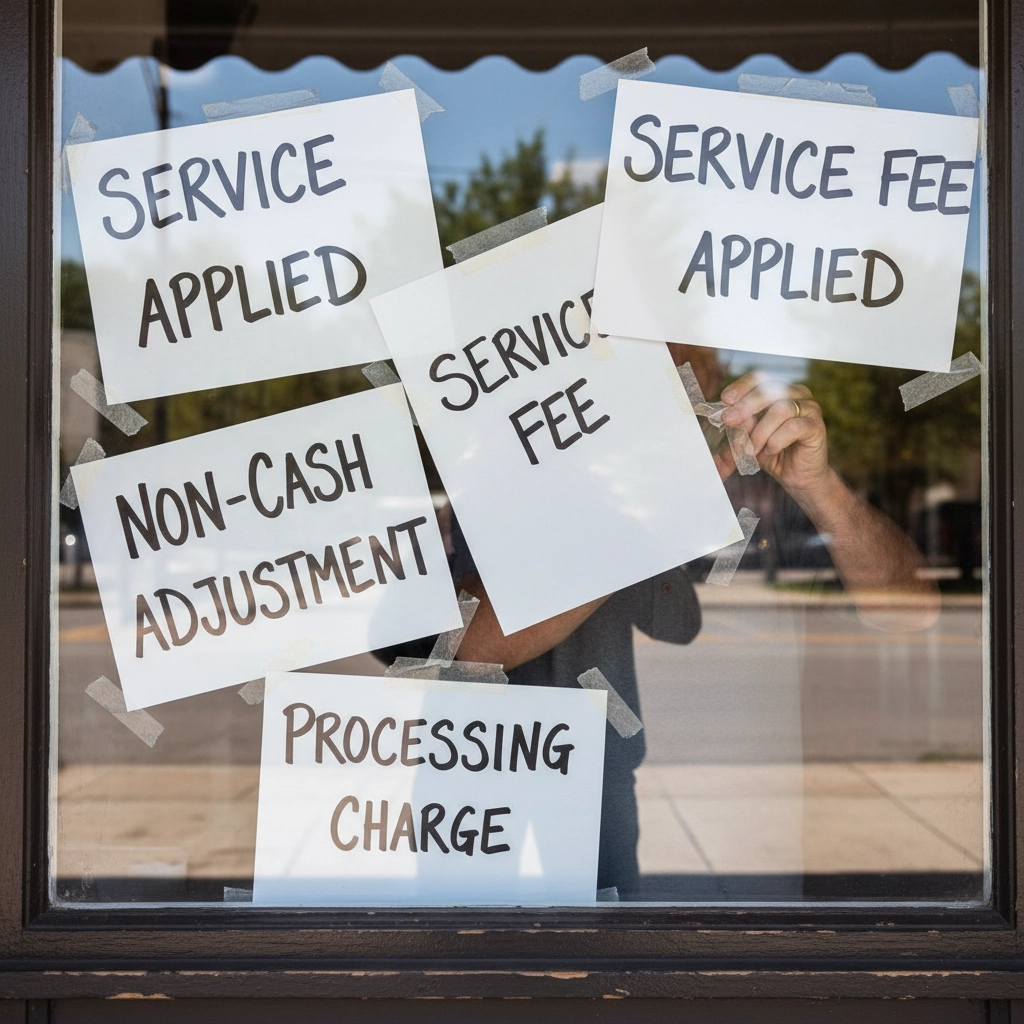
The biggest trap businesses fall into is trying to disguise what they're doing with creative language. You've probably seen signs that say "non-cash adjustment fee" or "convenience fee" when what they really mean is a credit card surcharge.
Here's the problem: card networks like Visa and Mastercard have explicit rules about terminology. If you're adding extra charges to card transactions, you must clearly label them as "surcharge fees." Terms like "non-cash adjustment," "convenience fee," or "processing fee" can get your merchant account terminated.
The real cost: Businesses caught using misleading language face immediate merchant account suspension and can be banned from processing cards for years. One restaurant in Texas lost their ability to accept cards for six months after calling surcharges "service fees."
The fix: Use plain English. If you're charging extra for cards, call it a "credit card surcharge." If you're offering discounts for cash, clearly state "cash discount price" and "regular price."
Mistake #2: Surcharging Debit Card Transactions
This mistake is expensive because many business owners don't understand the difference between credit and debit processing rules. While you can legally surcharge credit card transactions in most states, debit card surcharges are prohibited under card network rules.
The problem gets worse when businesses use integrated payment systems that automatically apply surcharges to all card transactions. Your POS system might be adding surcharges to debit cards without you realizing it, creating violations with every transaction.
The real cost: Debit surcharge violations typically result in $10,000+ fines per month of violations. One coffee shop faced a $25,000 penalty after their system surcharged debit transactions for three months.
The fix: Configure your payment system to distinguish between credit and debit transactions. Train staff to ask customers whether they're using debit or credit, and only apply surcharges to credit transactions.
Mistake #3: Inadequate Customer Notification and Signage
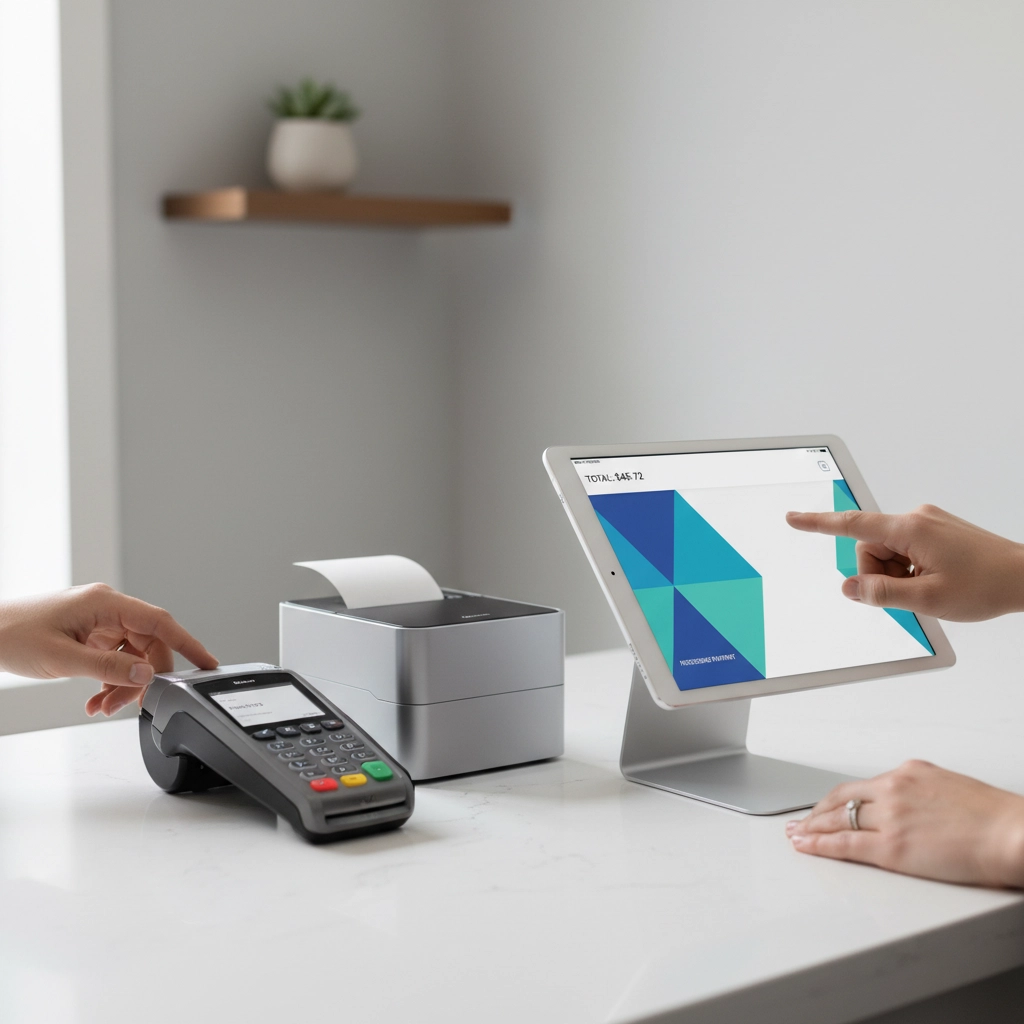
Are cash discounts legal? Yes, but only when customers know about them before they buy. The law requires clear notification at both your entrance and point of sale. Many businesses think a small sticker on their register is enough: it's not.
Compliance requires prominent signage that customers can easily see and understand before they commit to a purchase. The signs must clearly explain your pricing structure and any fees that apply to card payments.
The real cost: Poor signage leads to customer complaints, chargebacks, and regulatory violations. State attorneys general actively investigate businesses based on customer complaints, with fines ranging from $1,000 to $50,000 depending on the violation severity.
The fix: Install clear, visible signs at your entrance and checkout area. Use language like: "We offer a cash discount. Credit card prices are 3.5% higher than our posted cash prices." Make sure the signs are large enough to read easily and positioned where customers will definitely see them.
Mistake #4: Inconsistent Receipt Documentation
Your receipts are legal documents that prove you've followed disclosure requirements. Too many businesses print receipts that don't clearly show the cash discount or surcharge amount, creating compliance problems and customer confusion.
Card network rules require receipts to itemize any additional fees separately from the base purchase amount. Generic receipts that just show a total price without breaking down the surcharge can trigger compliance investigations.
The real cost: Incorrect receipts make it impossible to defend against chargebacks and customer complaints. Businesses typically lose 80% of chargeback disputes when they can't produce compliant documentation.
The fix: Configure your POS system to print detailed receipts showing the base price, surcharge amount, and total separately. Include clear language explaining your pricing program on every receipt.
Mistake #5: No Staff Training on Program Rules
Your employees are your first line of defense against compliance violations, but most businesses don't train staff on program rules. Untrained employees make mistakes like applying surcharges incorrectly, failing to explain the program to customers, or giving inconsistent information.
The most common training gaps involve explaining the difference between cash discounts and credit card surcharges, handling customer questions, and knowing which transactions qualify for discounts or surcharges.
The real cost: Staff mistakes create customer complaints and regulatory attention. One retail store faced a state investigation after employees couldn't explain their cash discount program to mystery shoppers, resulting in a $15,000 fine.
The fix: Train every employee who handles payments on your program rules. Create simple scripts for explaining discounts to customers and clear procedures for applying fees correctly. Review training quarterly and whenever you hire new staff.

Mistake #6: Failing to Stay Current with State and Local Laws
Cash discount and surcharge laws vary significantly by state and city. What's legal in one location might be prohibited in another. Many businesses assume that if their payment processor allows something, it must be legal everywhere: that's not true.
Some states ban surcharges entirely, while others have specific disclosure requirements that go beyond card network rules. Cities and counties can add their own regulations on top of state laws.
The real cost: Violating local laws can result in business license suspension, fines, and legal action. A chain of gas stations paid $100,000 in penalties for operating surcharge programs in cities where they were prohibited.
The fix: Research laws in every location where you operate. Consult with local attorneys who understand payment processing regulations. Set up alerts for regulatory changes that might affect your program.
Mistake #7: Using Outdated Payment Processing Systems
Legacy POS systems and older payment terminals often can't handle modern compliance requirements for cash discount and surcharge programs. They might not print compliant receipts, calculate fees correctly, or distinguish between different card types.
Outdated systems also lack the reporting features you need to prove compliance during audits. Without detailed transaction logs showing how fees were applied, you can't defend your program against violations.
The real cost: Non-compliant systems make every transaction a potential violation. Upgrade costs seem expensive until you face penalties that can reach six figures. One restaurant spent $75,000 on legal fees and fines because their old system couldn't document surcharge compliance.
The fix: Invest in modern payment processing equipment that's designed for compliance. Look for systems that automatically calculate fees, print itemized receipts, and provide detailed reporting. The upfront cost pays for itself by preventing violations.
Protecting Your Business and Your Profits
These compliance mistakes aren't just legal technicalities: they're business risks that can destroy years of hard work. The businesses that succeed with non-cash adjustment programs are those that treat compliance as seriously as they treat customer service or financial management.
Smart business owners work with payment processing experts who understand the rules and can guide them through proper implementation. They invest in compliant systems, train their staff thoroughly, and stay current with regulatory changes.
Ready to implement a compliant cash discount or surcharge program that actually saves you money on processing fees? Don't risk expensive mistakes trying to figure this out alone.
Talk to CardPlus for hands-on guidance and a complete compliance checkup. Our payment processing experts help small businesses navigate these complex rules while maximizing savings. Contact us today to ensure your program protects both your profits and your business.
Comments