
Fingerprint or Face? How Biometric Payments Are Quietly Changing the Way Small Businesses Accept Money
Remember when chip cards felt revolutionary? That was just the warm-up. Right now, while you're reading this, payment giants Visa and Mastercard are quietly rolling out technology that lets your customers pay with just their fingerprint or face. No cards, no cash, no fumbling with phones: just a quick touch or glance, and the transaction is complete.
If this sounds like science fiction, you're not alone. But biometric payments are already processing millions of transactions worldwide, and they're heading to a checkout counter near you faster than you might think.
What Are Biometric Payments, Really?
Let's strip away the tech jargon. Biometric payments use your customers' unique physical features: like their fingerprint, face, or even the pattern of veins in their palm: to confirm their identity and process payments. Think of it as your body becoming your wallet.
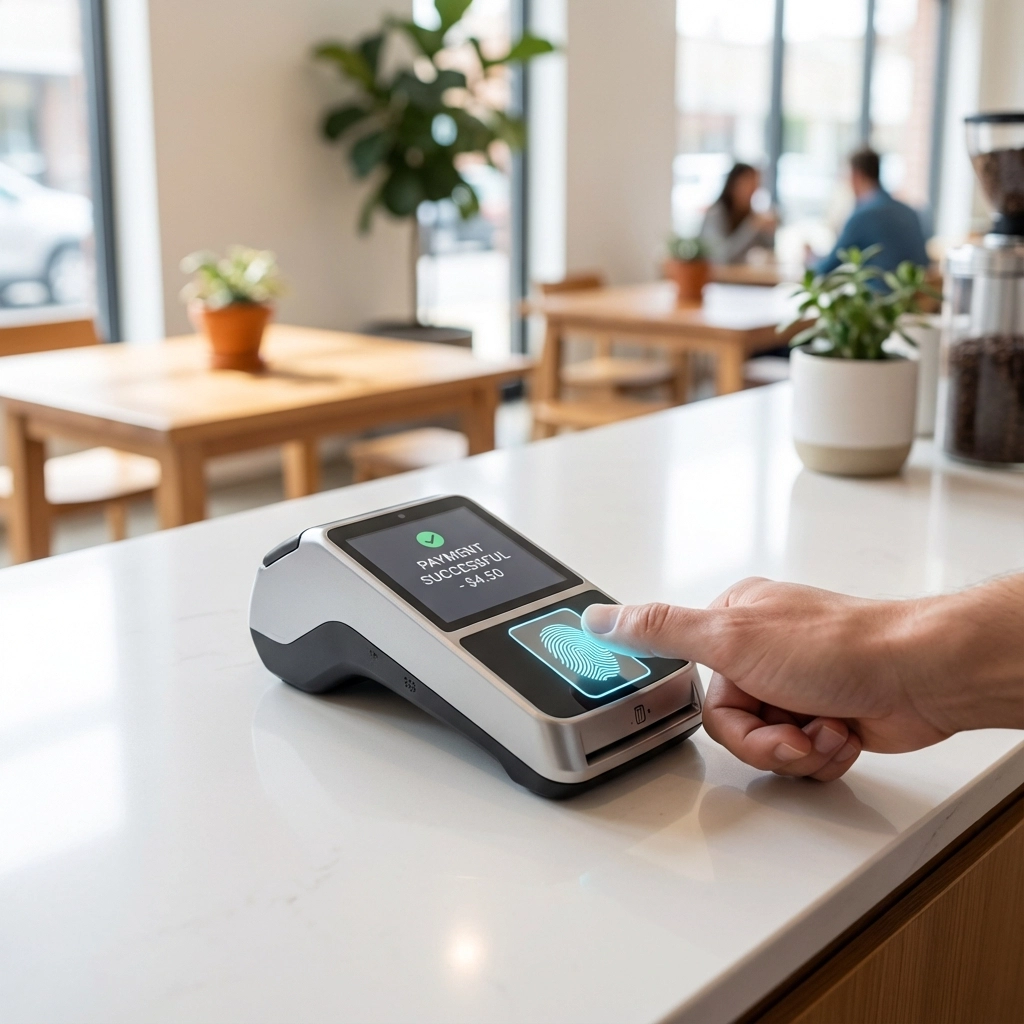
Here's how simple it works: Your customer approaches your payment terminal, places their finger on a scanner or looks at a camera, the system instantly verifies it's really them, and boom: payment approved. The whole process takes about three seconds.
The technology isn't storing actual photos of your customers' faces or fingerprint images. Instead, it creates an encrypted digital template: kind of like a unique numerical code: that represents their biometric data. This template gets stored securely and can only be used for verification, not recreation.
Visa and Mastercard Are Making This Real
Both payment giants are moving beyond pilot programs into actual deployment. Visa has been testing biometric authentication in partnership with major retailers, focusing on what they call "invisible payments": transactions so seamless they barely register as payments at all.
Mastercard is taking a slightly different approach, integrating biometric verification directly into their digital wallet platforms. Their recent partnerships with major banks allow customers to authenticate payments using biometrics instead of PINs or signatures, even for higher-value transactions that previously required additional verification.
What makes this shift significant isn't just the technology: it's the infrastructure support. When Visa and Mastercard commit to a payment method, the entire ecosystem follows. Payment processors, terminal manufacturers, and banks all align to make it work seamlessly.
Why Small Businesses Should Pay Attention
Security That Actually Protects Your Bottom Line
Credit card fraud costs small businesses billions annually. Traditional payment methods rely on information that can be stolen, forgotten, or faked. Your customer's PIN? It can be observed or guessed. Their signature? Easily forged. Their card details? Regularly compromised in data breaches.
But you can't fake someone's fingerprint or face (despite what you've seen in movies). Biometric fraud is extraordinarily difficult and expensive to execute, making it impractical for everyday transaction fraud. For your business, this means fewer chargebacks, reduced fraud losses, and lower processing fees over time.
Customer Experience That Drives Sales
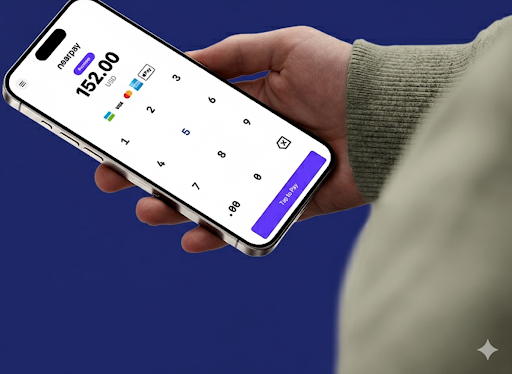
Fast checkout isn't just convenient: it's profitable. Studies consistently show that reducing transaction friction increases customer satisfaction and repeat purchases. When customers can pay with a simple finger touch, they're more likely to complete purchases and return to your business.
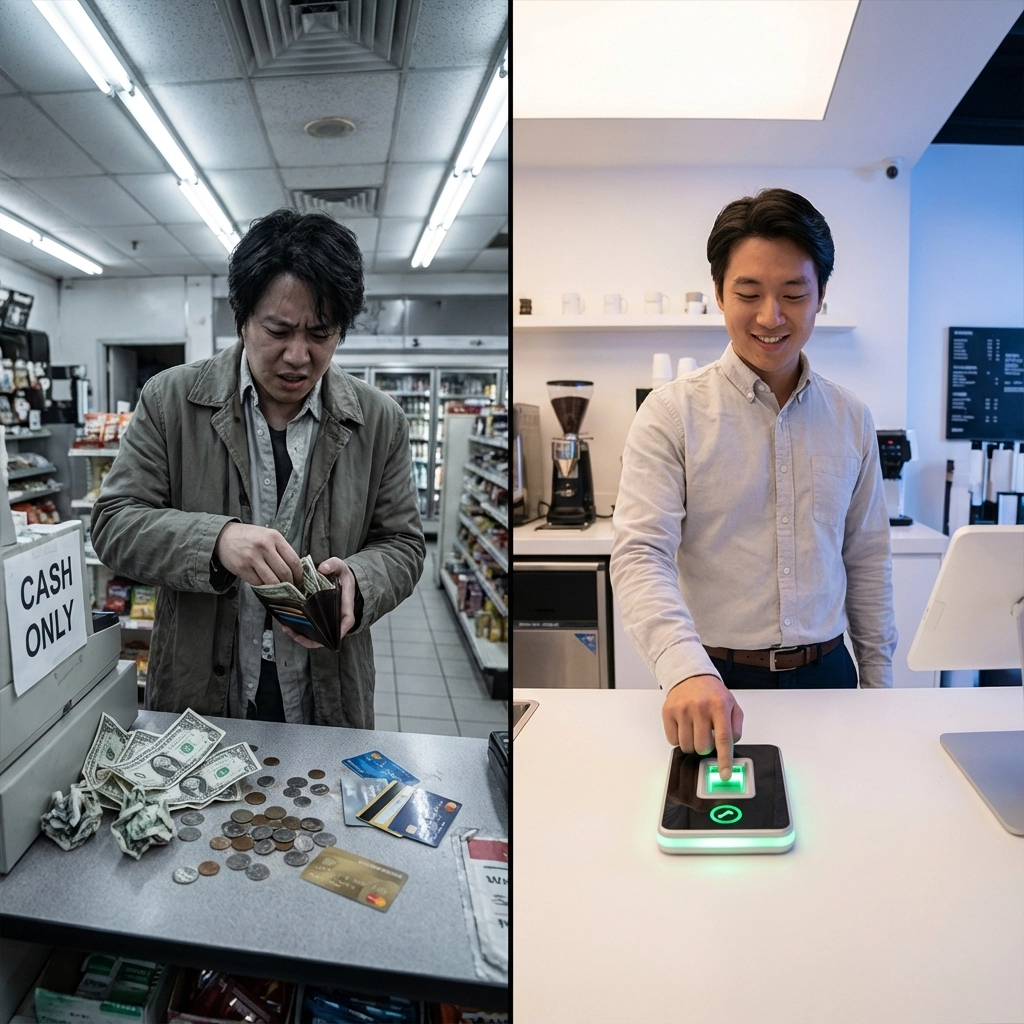
Consider the typical payment process: customer retrieves card or phone, inserts or taps, enters PIN or confirms on device, waits for approval, then completes transaction. Biometric payments reduce this to: customer touches scanner, payment approved. That's it.
This speed advantage becomes especially valuable during busy periods. Whether you're running a lunch rush at your restaurant or handling holiday shoppers, faster payments mean shorter lines and happier customers.
Operational Benefits That Add Up
Every minute your staff spends helping customers with payment issues: forgotten PINs, declined cards, technical difficulties: is time not spent on productive activities. Biometric payments significantly reduce these interruptions.
There's also the hygiene factor, which became crucial during the pandemic and remains important to many customers. Biometric payments, especially facial recognition, require no physical contact with shared surfaces.
Real-World Adoption Is Accelerating
J.P. Morgan Payments recently earned recognition as "Best in Class" for their biometric payment solution, which launched with pilot clients like South Florida Motorsports. Customers literally pay "with just a smile": the facial recognition system processes their payment automatically.
Major supermarket chains are implementing fingerprint scanners at checkout, while transit systems in several U.S. cities are testing facial recognition for fare payments. The technology is moving from novelty to necessity across industries.
In Asia, biometric payments are already mainstream. Millions of consumers pay for everything from subway rides to coffee using palm vein scanning or facial recognition. This global adoption is driving down costs and improving reliability, making implementation more viable for U.S. small businesses.
Implementation Considerations for Your Business
Cost and Technology Requirements
Biometric payment systems require specialized hardware: either upgraded POS terminals or smartphone-based solutions with high-quality cameras and sensors. The initial investment is higher than traditional card readers, but the long-term fraud reduction and operational efficiency can offset these costs.
Many biometric solutions integrate with existing payment ecosystems, including popular digital wallets like Apple Pay and Google Pay. This means you might not need entirely new systems: just upgraded terminals that can handle biometric verification.
Customer Acceptance and Privacy
Some customers remain hesitant about biometric data collection, despite the security advantages. Successful implementation requires clear communication about how their data is protected and what's actually being stored (encrypted templates, not actual biometric images).
The key is offering biometric payments as an option alongside traditional methods. Customers who want the convenience and security can use it, while others can stick with familiar payment methods.
Accessibility and Universal Design
Different biometric methods work better for different customers. Fingerprint scanning might be difficult for someone with arthritis, while facial recognition might not work well for customers wearing certain types of face coverings. Offering multiple biometric options: or combining biometric with traditional methods: ensures all customers can pay comfortably.
The CardPlus Advantage in Biometric Payments
At CardPlus, we're tracking these developments closely because we know small businesses need partners who understand both current needs and future opportunities. While biometric payments are still emerging, the infrastructure is developing rapidly.
Our approach focuses on solutions that grow with your business. Whether you're ready to implement biometric payments now or want to ensure your current system can evolve when the time is right, we're here to guide that decision.
We're also monitoring cost trends and regulatory developments to help our clients adopt new payment technologies at the optimal time: early enough to gain competitive advantages, but not so early that you're paying premium prices for unproven solutions.
What Comes Next
Biometric payments represent more than just technological advancement: they signal a fundamental shift toward frictionless commerce. As customers become accustomed to paying with their biometrics in other contexts (unlocking phones, accessing buildings, boarding flights), they'll expect the same convenience from your business.
The businesses that adapt early will gain customer loyalty advantages and operational efficiencies. Those that wait too long risk appearing outdated compared to competitors who offer more convenient payment options.
The question isn't whether biometric payments will become mainstream: it's when, and whether your business will be ready to capitalize on the opportunity.
Smart business owners are already planning for this transition, ensuring their payment systems can evolve with customer expectations and technological capabilities. Because in the not-too-distant future, your customers might just smile to pay.
Comments