
Cash Discounting in June 2026: 5 Rules Every Merchant Must Follow to Stay Legal
Are you tired of seeing a huge chunk of your hard-earned profits vanish into "swipe fees" every month? You’re not alone. As we hit June 2026, more small business owners than ever are looking for ways to fight back against rising costs.
One of the most effective ways to do that is through a card cash discount program.
But here’s the catch: the rules are getting tighter. Between updated Visa and Mastercard regulations and shifting state laws, staying compliant isn’t just a "good idea", it’s survival. If you do it wrong, you risk heavy fines or even losing your merchant account entirely.
According to recent data from TSG (The Strawhecker Group), a leading industry source for payment trends, nearly 25% of all new small business merchant accounts are now opting for some form of incentive pricing to offset processing costs. But "doing it right" is the difference between a fatter bottom line and a legal headache.
So, are cash discounts legal? Yes. But they have to be done by the book. Here are the 5 rules every merchant must follow in 2026 to stay legal and keep their profits.
1. Know the Difference: Cash Discount vs. Surcharge
The most common mistake business owners make is using these terms interchangeably. In the eyes of the law (and the card networks), they are completely different animals.
Cash Discounting: You post a "Card Price" (the standard price) and offer a discount to anyone who pays with cash. This is legal in all 50 states and is widely supported by card networks.
Surcharging: You post a price and then add an extra fee (a surcharge) on top only if the customer uses a credit card.
Non-Cash Adjustment (NCA) / PayLo: This is a popular term for programs that add a service fee to all transactions and then "waive" it for cash. In 2026, Visa and Mastercard treat most of these programs as surcharges, meaning they must follow the stricter surcharge rules.
If you are using a program labeled as "PayLo" or "Non-Cash Adjustment," you need to ensure your software is correctly applying the discount rather than just tacking on a fee. At CardPlus, we help you navigate these definitions so your pricing is transparent and compliant from day one.
2. The Golden Rule: Never Surcharge Debit Cards
If there is one rule that will get you in trouble faster than any other, it’s this one: You cannot surcharge a debit card.
Even if the customer runs it as "credit" (signing for the transaction instead of using a PIN), it is still a debit card tied to a bank account. Under federal law and the Durbin Amendment, debit cards are off-limits for surcharges.
If your "card cash discount" program is actually a surcharge program in disguise and it's hitting debit cards with a fee, you are in violation of the cash discount rules and regulations.
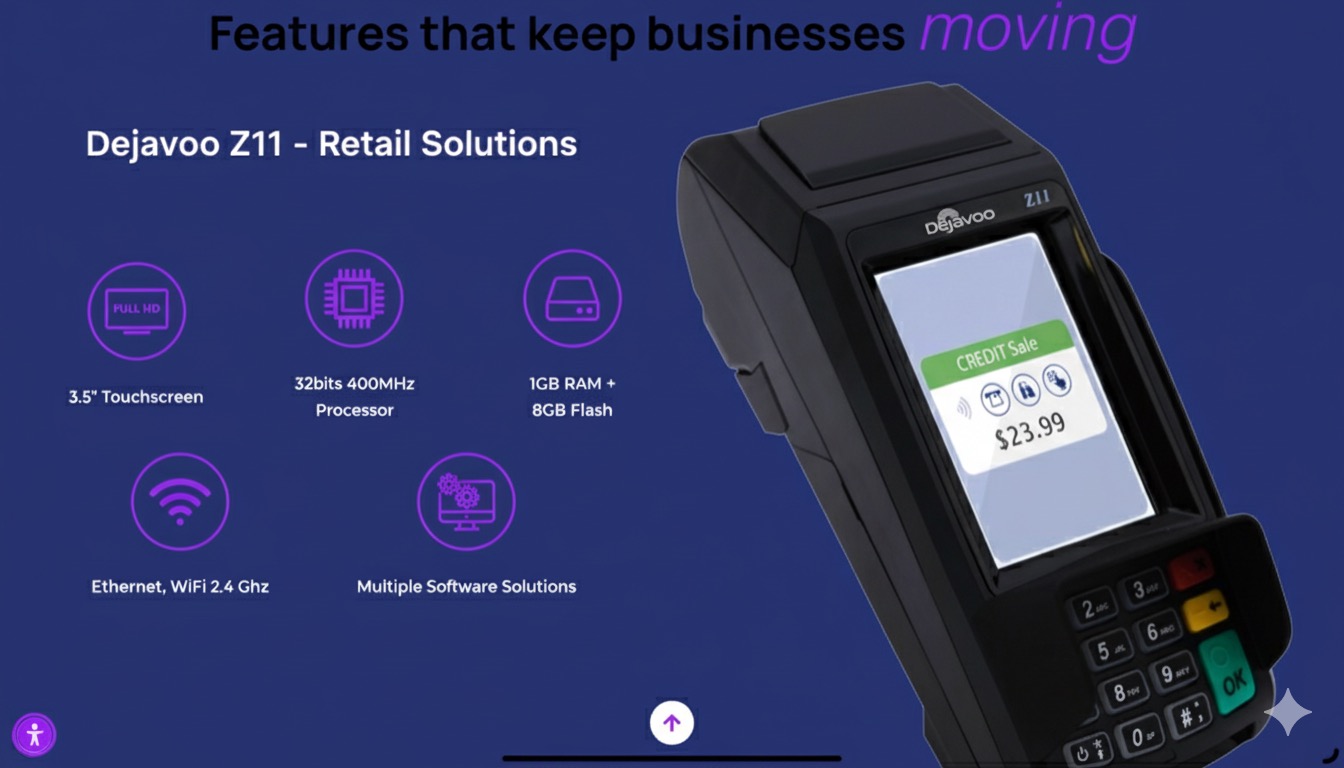
The solution? You need smart hardware. Modern terminals, like the Dejavoo Z11, are programmed to automatically detect the difference between a credit and debit card. If a debit card is swiped, the terminal simply doesn't apply the surcharge, keeping you perfectly legal without you having to do the math yourself.
3. Respect the 2026 Fee Caps
Back in the day, some merchants were getting "creative" and charging 4% or even 5% extra for card payments. Those days are over.
As of June 2026, the caps are very specific:
Visa: You cannot surcharge more than your actual Merchant Discount Rate (MDR) or 3%, whichever is lower.
Mastercard: You are capped at 4% or your actual cost.
If you’re charging a flat 4% and a customer pays with a Visa card, you could be flagged for an overcharge. This is why "Dual Pricing": where you show both the Cash and Card price clearly: has become the gold standard. It bypasses these surcharge caps because it is viewed as a discount for cash rather than a penalty for cards.
4. Signage and Disclosure: Transparency is Key
You can’t surprise your customers at the register. The cash discount rules and regulations require you to be upfront. You must have clear signage in two places:
At the Entry: A sign on your door or at the front of your shop telling customers about the program.
At the Point of Sale: A clear sign at the register explaining that there is a difference between the cash and card price.
Your receipts also have to tell the story. The discount or the non-cash adjustment must appear as a separate line item. You can’t just "hide" it in the total. Transparency doesn't just keep the lawyers away; it builds trust with your customers. When you explain that you’re doing this to keep your prices low in the face of inflation, most customers are happy to support a local business.
5. Use Industry-Specific Software (Like GOKUL)
Trying to manage cash discounts manually is a recipe for disaster. You need a system that integrates your inventory, your sales tax, and your processing fees into one seamless flow.
For many of our retail, liquor, and tobacco clients, we recommend GOKUL. It’s a comprehensive POS solution that offers super competitive pricing and is built specifically to handle complex transactions. Whether you're running a boutique or a high-volume retail shop, GOKUL ensures that your non cash adjustment or dual-pricing model is applied correctly to every single item in your store.
When you pair GOKUL software with Dejavoo hardware, you get a "bulletproof" setup. It handles the compliance, the signage requirements on the screen, and the receipt line items automatically. You get to focus on running your business while we handle the technical headaches.
Why Local Support Matters
The world of payments is changing fast. If you're using a big-box processor from another state, good luck getting a straight answer when a new regulation drops.
At CardPlus, we are your local payments experts. We don't just ship you a box and wish you luck. We sit down with you, look at your margins, and help you decide if a card cash discount is right for your specific business. We’ve helped businesses save thousands of dollars a month by eliminating unnecessary fees: all while staying 100% legal.
Stop Guessing. Start Saving.
Is your current setup actually legal? Are you accidentally surcharging debit cards? Don't wait for a letter from a card network to find out.
Take Action Today:
Audit your receipts: Does the fee or discount show up clearly?
Check your signage: Is it at the door and the register?
Talk to an expert: We can review your current merchant statement and show you exactly where you're losing money.
Ready to improve your profit margins and stop worrying about compliance? Contact CardPlus today for a free payment audit. Let’s make sure your business is ready for the rest of 2026 and beyond.

Source Credit: Payment trends and benchmarking data provided by TSG (The Strawhecker Group) and Digital Transactions.
Comments