
Are Cash Discounts Dead? Why Dual Pricing is Winning in 2026
If you’ve been running a small business for more than a few years, you know the "processing fee headache" all too well. For a long time, the standard solution was the traditional cash discount. It was the scrappy, go-to move for entrepreneurs looking to protect their margins.
But as we move through 2026, the landscape has shifted. If you’re still using a "classic" cash discount model, you might be feeling some friction you didn’t have before: customer confusion, strict new signage requirements, or even warnings from your processor.
The truth is, traditional cash discounting isn’t exactly dead, but it has evolved. In 2026, Dual Pricing has emerged as the clear winner for small businesses. It’s more transparent, more compliant, and significantly easier for your customers to understand.
At CardPlus, we’ve seen thousands of merchants make the switch. Here is why Dual Pricing is the new gold standard for credit card processing for small business.
The Problem with "Old School" Cash Discounting
In the early 2020s, many businesses implemented programs where they posted one price and then applied a discount at the register for cash-paying customers. On paper, it was simple. In practice, it often led to awkward conversations at the checkout counter.
According to industry insights from TSG (The Strawhecker Group), regulatory dynamics are the primary driver of change in 2026. Card brands like Visa and Mastercard have tightened their "clear and conspicuous" pricing rules. They want customers to know exactly what they are paying before they reach for their wallet.
Traditional cash discounting often fails this test. If your menu says $10, but your terminal defaults to $10.40 and you have to manually "discount" it back down to $10 for cash, you’re playing a confusing game of math with your customers. In 2026, that confusion leads to bad reviews and, in some cases, compliance fines.
What Exactly is Dual Pricing?
Dual Pricing is exactly what it sounds like: you display two distinct prices for every item you sell. One price for cash, and one price for cards.
It takes the "guesswork" out of the transaction. When your customer looks at your menu or your shelf tag, they see:
Cash Price: $9.60
Card Price: $10.00
There are no surprises. No "service fees" added at the end. No math required. The customer chooses their preferred payment method based on the price they see upfront.

Why Dual Pricing is Winning in 2026
1. Total Transparency
Transparency is the ultimate trust-builder. When you use a dual pricing model, you aren't "hiding" a fee. You are offering two different price points based on the cost of the transaction. Customers in 2026 appreciate honesty. They understand that credit cards cost money to process, but they hate feeling like they’re being "surcharged" at the last second.
2. Bulletproof Compliance
The legal landscape for cash discount rules and regulations is a moving target. However, Dual Pricing sits on the firmest legal ground. Because you are posting both prices, you satisfy the "clear and conspicuous" requirements set by major card brands. You aren't adding a "fee" (which can trigger surcharge regulations in states like Connecticut or Massachusetts); you are simply offering a discount for cash.
3. Better Profit Margins
The biggest benefit for you? You stop losing 3-4% of every sale to processing fees. Dual Pricing allows you to offset those costs completely. By setting your "Card Price" to cover your processing expenses, you ensure that your business remains profitable regardless of how the customer pays. This is how savvy owners are recovering thousands of dollars in fees.
The Technology: How Dejavoo and CardPlus Make it Seamless
You might be thinking, "Changing all my prices sounds like a nightmare."
It used to be. But in 2026, the technology does the heavy lifting for you. Our Dejavoo terminals, specifically the Z11, QD, and P Series, are built with Dual Pricing in their DNA.
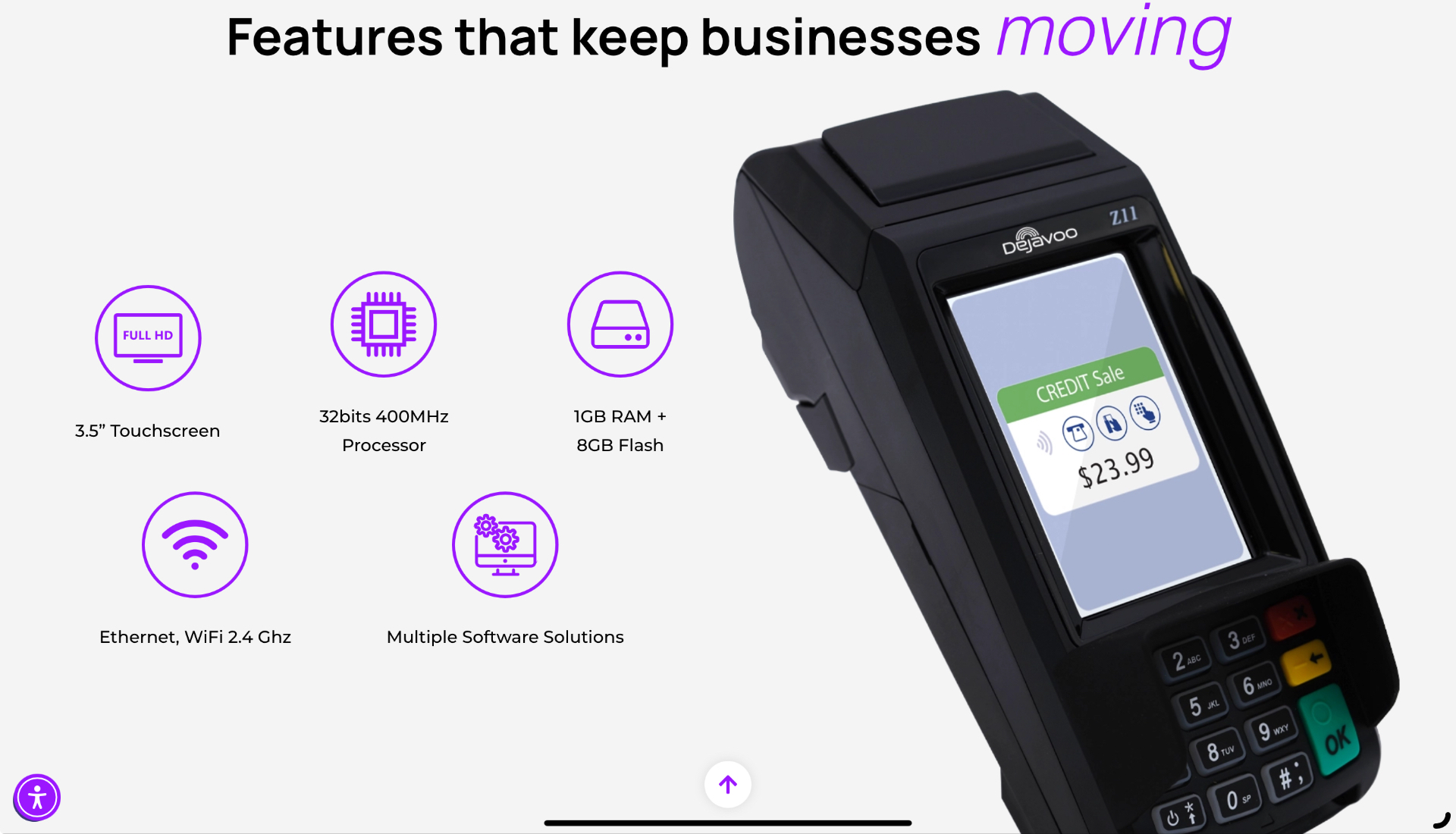
When you use a Dejavoo terminal from CardPlus:
Automatic Calculation: The terminal automatically calculates the cash vs. card price. You don't have to do any mental math.
Clear Receipts: The customer receives a receipt that clearly shows the two prices and which one they paid.
Syncing: Your prices sync across your system, so your records are always accurate.
Whether you need the classic reliability of the Dejavoo Z11 countertop model or the mobile flexibility of the QD Series for tableside service, our hardware makes the transition to Dual Pricing effortless.
Integrating with GOKUL: The Ultimate POS Solution
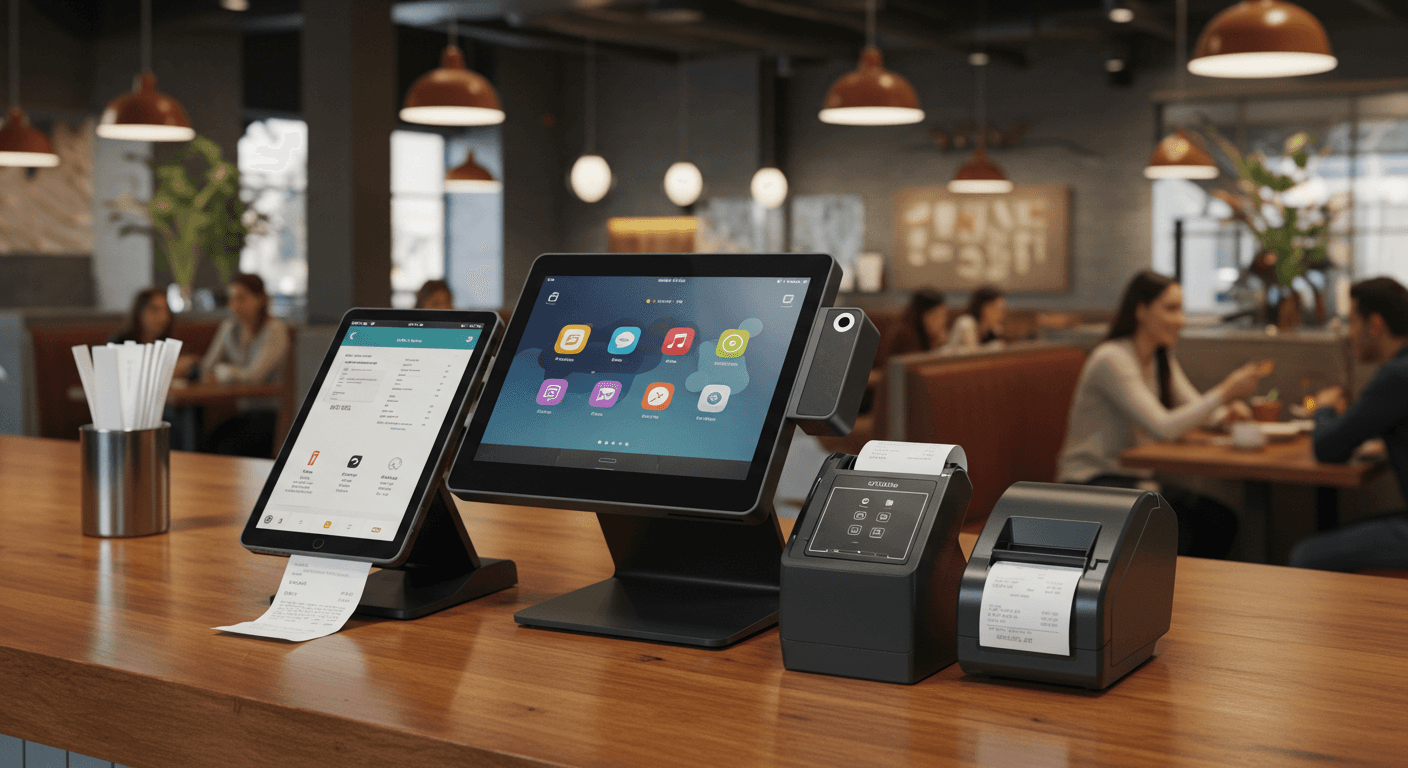
For businesses that need more than just a terminal, we’ve partnered with GOKUL to provide a comprehensive POS solution. GOKUL is designed for the modern merchant who needs powerful inventory management, reporting, and super competitive pricing.
When you pair CardPlus processing with a GOKUL POS system, Dual Pricing becomes an integrated part of your workflow. Your menu items are programmed with both prices from day one. Whether a customer is ordering a steak at your restaurant or a haircut at your salon, the system handles the dual-display effortlessly.
What the Industry Experts are Saying
As mentioned earlier, TSG (The Strawhecker Group) notes that we are in an "industry of basis points." In 2026, small margins matter more than ever. Their research highlights that as interchange fees face more scrutiny from the Federal Reserve, merchants who take control of their payment economics are the ones who will thrive.
Dual Pricing isn't just a "trend": it's a strategic response to the rising costs of doing business. It allows you to stay competitive while protecting the bottom line that you've worked so hard to build.
How to Make the Switch
If you’re still using a confusing surcharge or a clunky cash discount program, it’s time for an upgrade. Switching to Dual Pricing with CardPlus is a simple, three-step process:
Consultation: We’ll look at your current statements and show you exactly how much you can save.
Hardware Setup: We’ll send you pre-configured Dejavoo terminals or set up your GOKUL POS system.
Go Live: You start displaying dual prices, and your processing fees effectively disappear.

Stop Leaving Money on the Table
You wouldn’t let a leak in your roof go unfixed for years: so why let processing fees leak thousands of dollars out of your bank account every month?
Dual Pricing is the most transparent, compliant, and profitable way to handle payment processing for small business in 2026. It protects your margins, simplifies your operations, and keeps your customers happy.
Ready to see how Dual Pricing can transform your business? Contact Pete Philomey and the CardPlus team today for a personal consultation. Let’s get those fees off your back for good.
Source Credit: Market trends and regulatory insights provided by TSG (The Strawhecker Group), 2026 Industry Outlook.
Comments